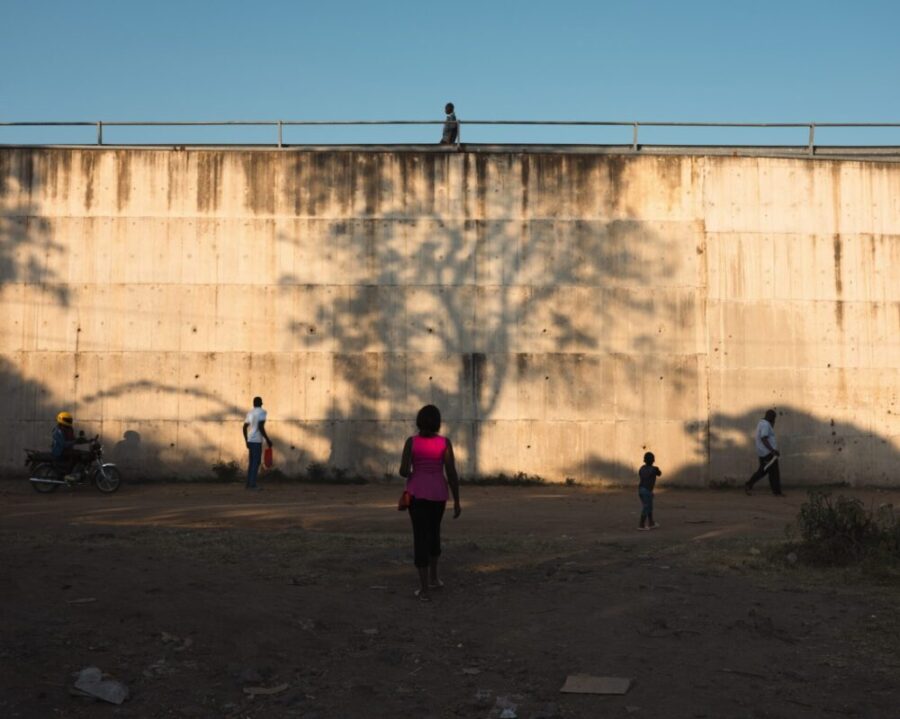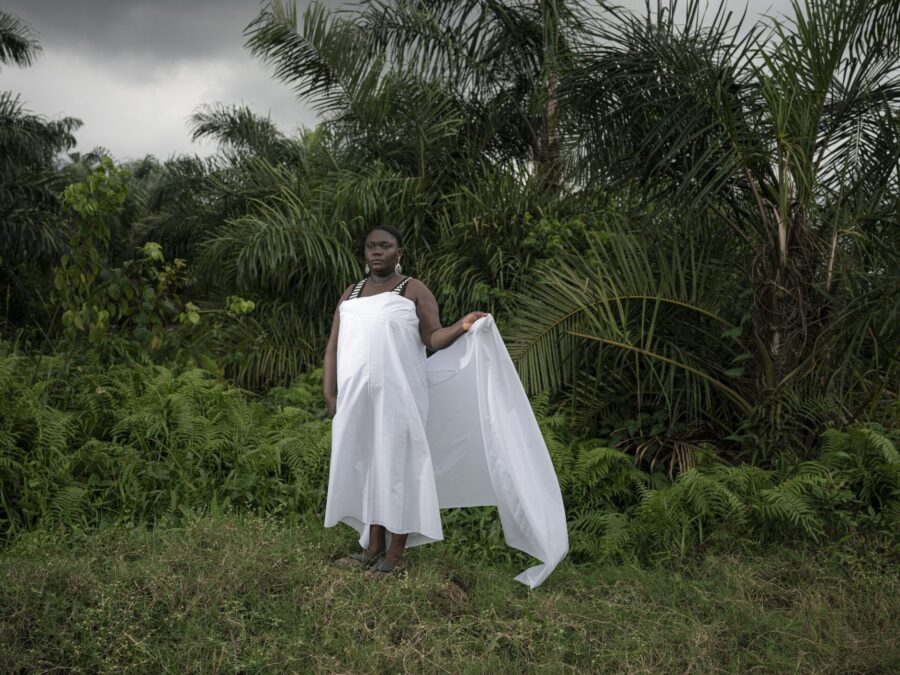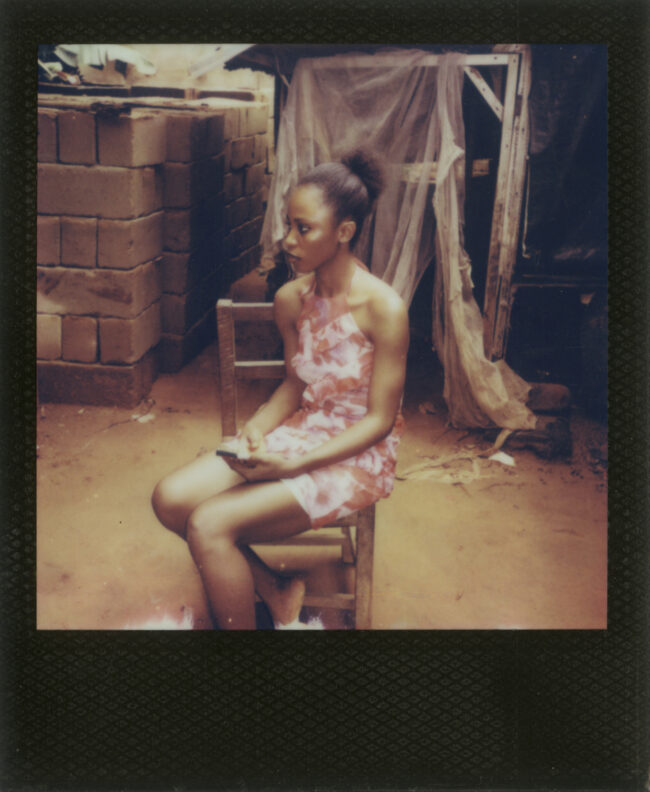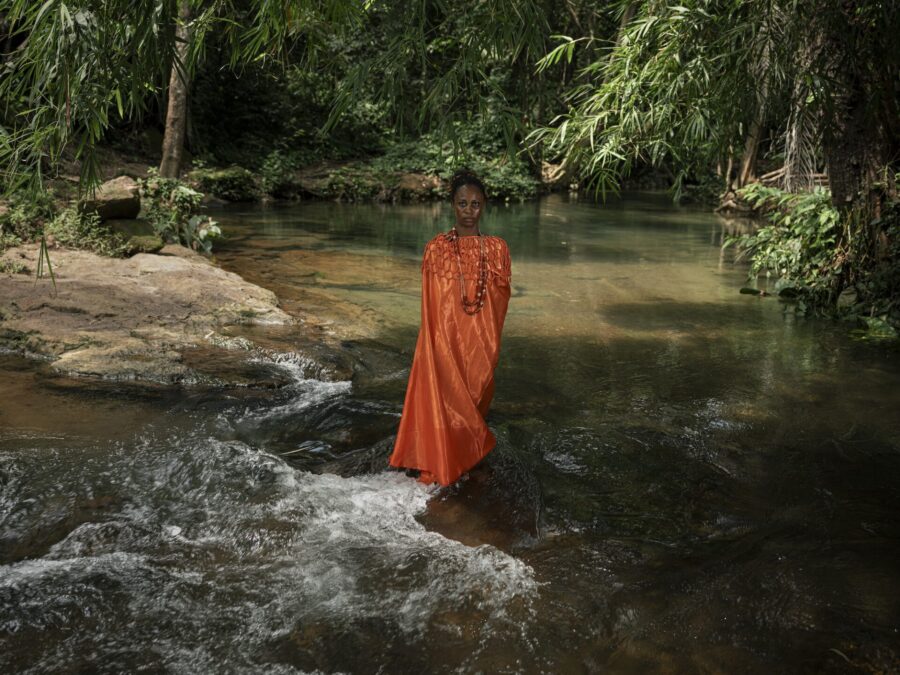

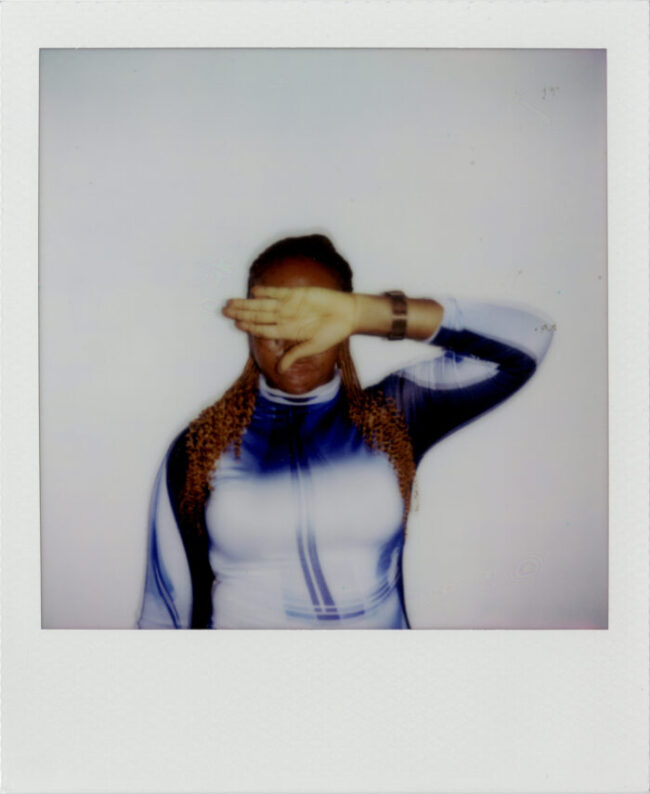
NIGERIA. Warri. September 2024. Elizabeth, a survivor of sex trafficking in Dubai, has returned home with the help of a non-governmental organization (NGO). She is now reunited with her family and ready to begin a new chapter in her life after enduring a period of immense hardship. Elizabeth’s story is not unique. Many young Nigerian girls have fallen victim to sex trafficking, not just in Dubai, but in other countries as well. These young women are often given false promises of good salaries and job opportunities in Dubai. However, upon arrival, their passports are confiscated, isolating them from the outside world and trapping them in a life of sexual exploitation. Elizabeth’s mother is taking legal action against the individuals responsible for trafficking her daughter to Dubai. As one of the few family members to pursue such a case in Nigeria, she is determined to seek justice for Elizabeth and hold those accountable for their actions. This legal battle serves not only as a means of securing justice for Elizabeth but also as a powerful statement against human trafficking. © Newsha Tavakolian

I AM STILL HERE – My lens

Newsha Tavakolian

2024 — Nigeria

About this series

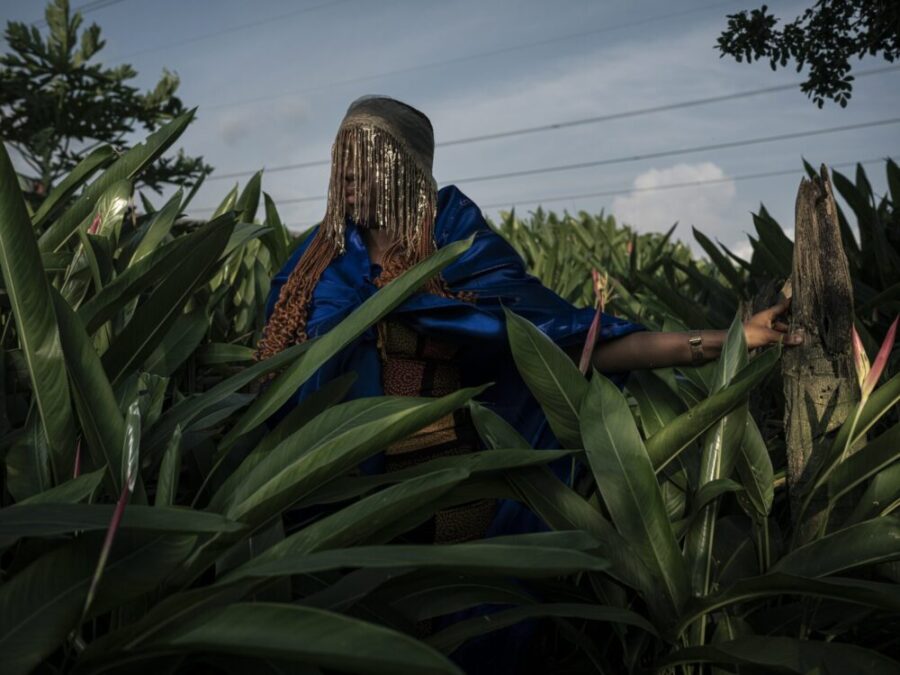
I AM STILL HERE – My lens by Magnum photographer Newsha Tavakolian, was created with The Salvation Army, Stop Trafficking Africa, and the Hope Education Project. It highlights the human trafficking crisis through the healing stories of West African women who have survived modern slavery.
Human trafficking remains a major global challenge. According to the UNODC’s 2024 Global Report on Trafficking in Persons, identified victims rose by 25% in 2022, reaching 74,785 cases compared with pre-pandemic levels. Women make up 61% of victims, most trafficked for sexual exploitation. The exhibition seeks to draw attention to this widespread yet often neglected issue.
Africa has the highest proportion of trafficking victims. Between 2019 and 2024, about 15,000 African victims were identified in Europe, the Middle East, East Asia, and North America. Displacement, insecurity, and climate change increase vulnerability, while poverty, inequality, and weak institutional support push many to migrate in search of opportunity. Traffickers—sometimes even within victims’ families—take advantage of these conditions.
This work  presents the testimonies of survivors deceived with promises ranging from nursing education in the UK to lucrative jobs in Dubai. Through Tavakolian’s photography and the women’s own words, the project shares the experiences of Theresa, Joy, Elizabeth, Grace, Wendy, Maryam, Jennifer, Lima, and Layla. Their stories trace their journeys from exploitation to recovery and empowerment, preserving their dignity and agency while shedding light on a global crisis that urgently demands attention. (In collaboration with Magnum Photos )
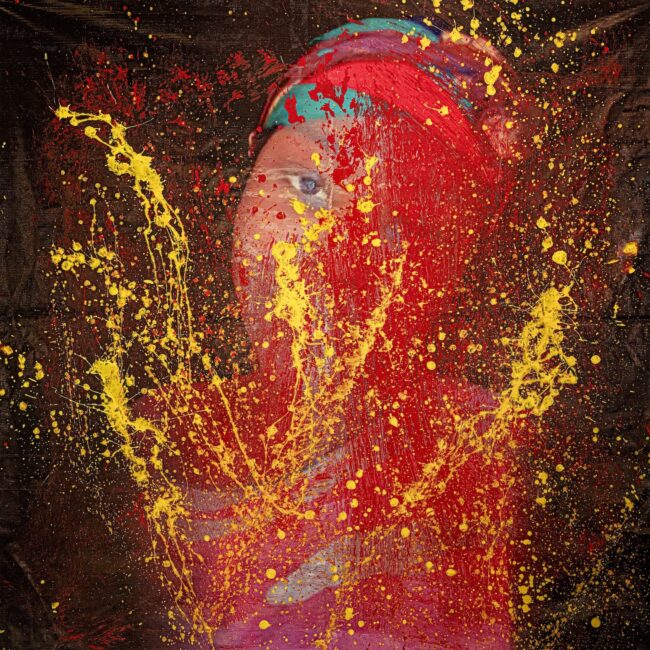
NIGERIA. Wari. September 18, 2024. Portrait of Joy. In a symbolic act—painting over her old image. This ritualistic act represents Joy’s journey of healing and reclaiming her identity after the trauma of sex trafficking. By covering her old image, she is metaphorically shedding the past and embracing the strength. © Newsha Tavakolian
NIGERIA. Warri. September 5, 2024. Elizabeth, a survivor of sex trafficking in Dubai, has returned home with the help of a non-governmental organization (NGO). She is now reunited with her family and ready to begin a new chapter in her life after enduring a period of immense hardship. Elizabeth’s story is not unique. Many young Nigerian girls have fallen victim to sex trafficking, not just in Dubai, but in other countries as well. These young women are often given false promises of good salaries and job opportunities in Dubai. However, upon arrival, their passports are confiscated, isolating them from the outside world and trapping them in a life of sexual exploitation. Elizabeth’s mother is taking legal action against the individuals responsible for trafficking her daughter to Dubai. As one of the few family members to pursue such a case in Nigeria, she is determined to seek justice for Elizabeth and hold those accountable for their actions. This legal battle serves not only as a means of securing justice for Elizabeth but also as a powerful statement against human trafficking. © Newsha Tavakolian
KENYA. Mbita Town. September 18, 2024. View of Mbita town where many people are infected with HIV. Maryam. In search of better opportunities to support her two children, she took a chance on a promising offer in Dubai. However, the reality of her situation quickly became a nightmare as she discovered that she had been deceived into a life of forced prostitution. Her attempts to return to her children were stifled as she was told that she could only leave once she paid off her supposed debt for visa and travel arrangements. The physical abuse she suffered was relentless; she endured beatings and torture, resulting in a lost tooth when she refused to comply. Eventually, she managed to escape but was soon apprehended by the police, leading to a three-month imprisonment in Dubai. Following her release, she was deported to Kenya with nothing to her name, left to pick up the pieces after her harrowing ordeal. © Newsha Tavakolian
NIGERIA. Anambra. September 11, 2024. © Newsha Tavakolian
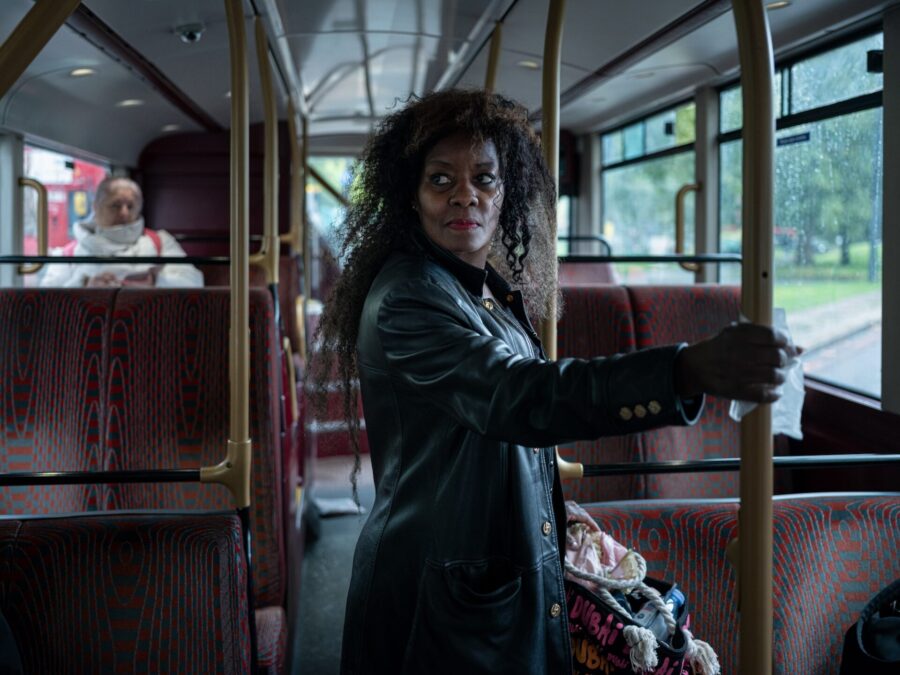
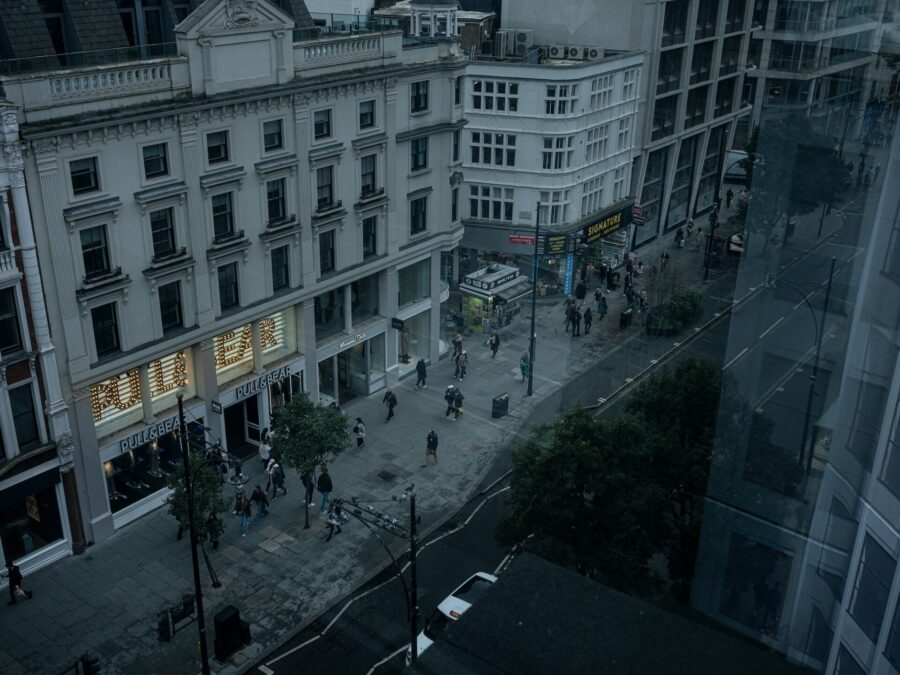
ENGLAND. London. October 2, 2024. Layla in a London bus. Layla, a Kenyan woman, was raised in captivity and subjected to force labour and exploitation by a British man. This continued all the way into adulthood. Years of abuse stripped away her sense of self, leaving behind depression, anger, and resentment that seemed impossible to overcome. Her most profound healing emerged through an unexpected source: art. In creative expression, she discovered a powerful tool for processing her trauma. “Art helps me find new depths to my thinking," she says. Through painting and drawing, she enters a meditative state that reduces stress and brings a sense of completeness. Each brushstroke represents another step in reclaiming control of her life, processing complex emotions that words alone cannot express. © Newsha Tavakolian
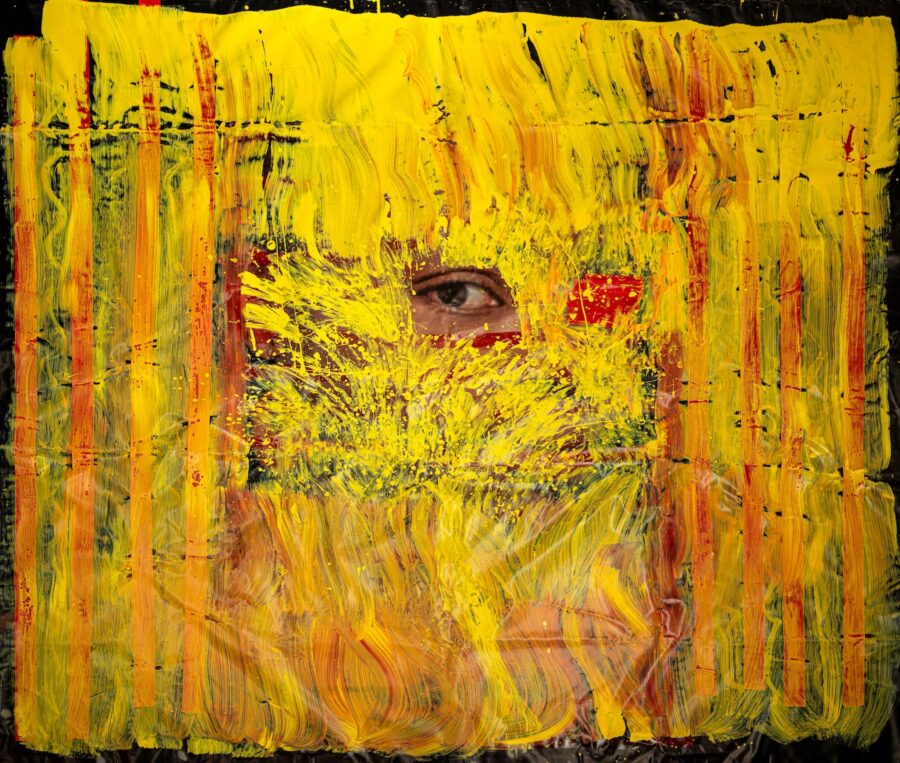
ENGLAND. October 3, 2024. Portrait of Jennifer. In a symbolic act—painting over her old image. This ritualistic act represents Jennifer’s journey of healing and reclaiming her identity after the trauma of sex trafficking. By covering her old image, she is metaphorically shedding the past and embracing the strength. © Newsha Tavakolian
ENGLAND. London. October 2, 2024. © Newsha Tavakolian
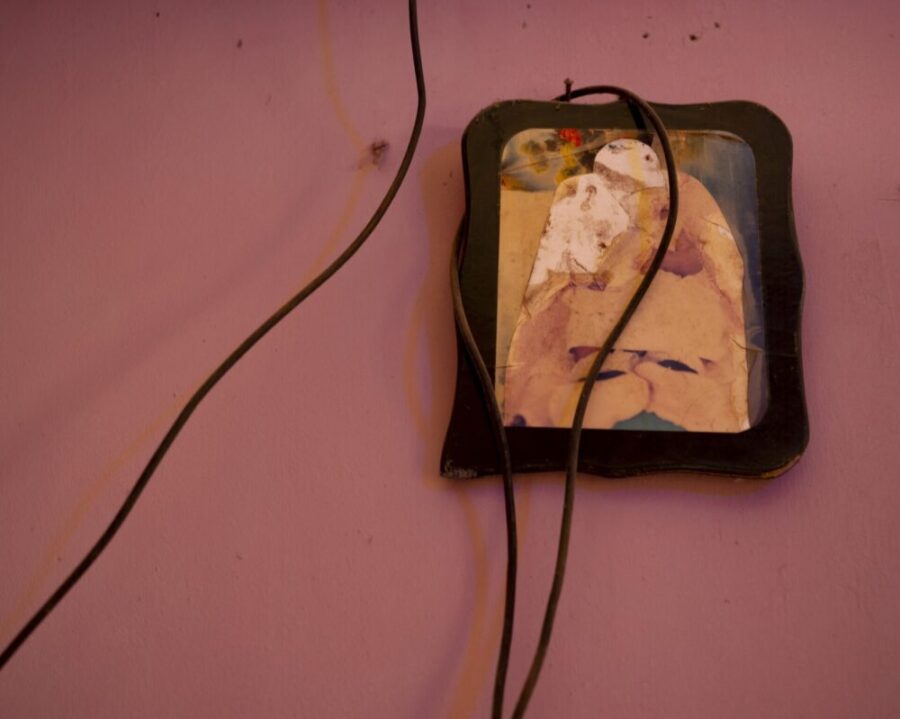
NIGERIA. Anambra. September 11, 2024. Grace. After four years of enslavement in Dubai's sex industry, Grace has finally returned home. Her journey to Dubai began innocently enough when a friend of her mother, who worked at a restaurant, encouraged her to pursue better financial opportunities by working at his friend’s shop in Dubai. However, upon her arrival, Grace’s passport was confiscated, leaving her isolated and vulnerable. With no way to contact anyone for help, she was forced to comply with her captors' demands to avoid physical abuse. Now back home, Grace is determined to start a new life, leaving behind the horrors she endured in Dubai. She hopes to rebuild her life and move forward from the trauma she experienced. She is now living with a woman and her kids who want to help her until she can effort a room for herself. © Newsha Tavakolian
NIGERIA. Warri. September 3, 2024. Joy, a survivor of sex trafficking in Warri, was rescued from Dubai with the help of an NGO and returned home to Nigeria. © Newsha Tavakolian
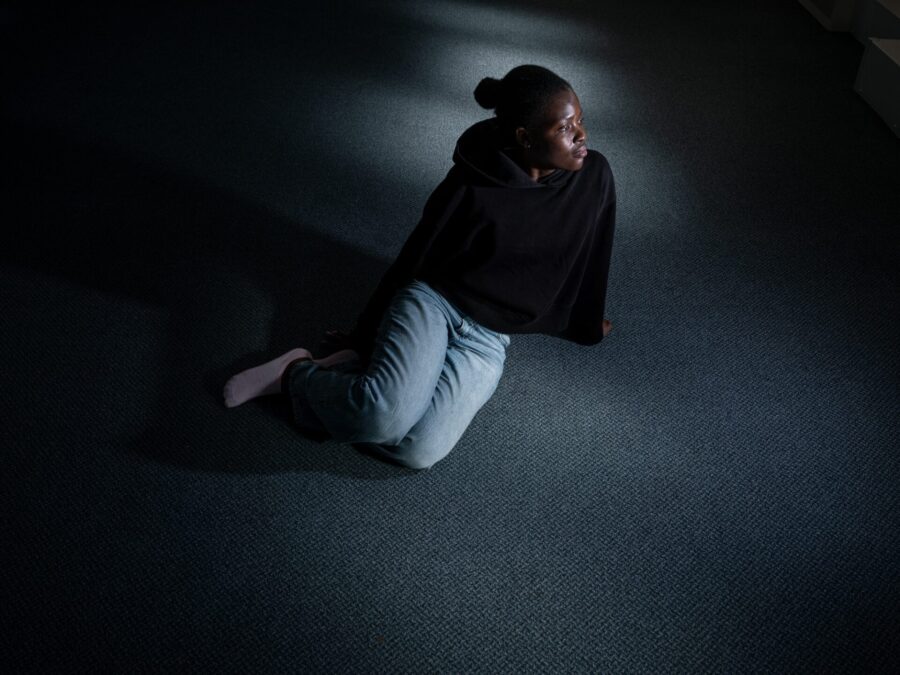
ENGLAND. October 3, 2024. Jennifer was brought to the United Kingdom from Ghana by her aunt, whom she deeply trusted from childhood. After caring for her and funding her education in boarding school in Ghana, her aunt promised to help Jennifer study nursing in England. What seemed like a path to education became a nightmare of exploitation and abuse. For four years, she endured domestic servitude and sexual abuse at the hands of her aunt's husband. They seized her passport upon arrival, using her undocumented status to instil fear. Instead of studying, she was forced to cook, clean, care for children, and cater church events – all without payment. When she revealed the abuse at their church, they refused to believe her because her aunt was an influential church member. Her first escape came when her aunt finally threw her out. Desperate and homeless, Jennifer fell into another exploitative situation when a man promised her childcare work. After fleeing again, she survived by cleaning at a gym and a shop in exchange for a safe place to sleep. A turning point came when a social worker noticed her burn injury and referred to the hospital, where she was then connected to an NGO. © Newsha Tavakolian
NIGERIA. Anambra. September 2024. Portrait of Theresa. Theresa, a survivor of sex trafficking in Anambra, was rescued from Dubai and returned to Nigeria with the help of an NGO. She had a life of abuse and violence, often beaten for refusing to engage in sexual acts. Her life has been marked by struggle from the very beginning. Born a twin, her brother tragically died just days after birth. Facing pressure to sacrifice Theresa, her father abandoned her in a bush, but her mother intervened and placed her in the care of an aunt. At the age of 12, Theresa confronted her father and declared her determination to become stronger than him, he accepted her back into the family before leaving to fight Boko Haram as a soldier. Following his death, Theresa has taken on the responsibility of being the family’s sole breadwinner. © Newsha Tavakolian
NIGERIA. Anambra. September 9, 2024. © Newsha Tavakolian Portrait of Theresa. Theresa, a survivor of sex trafficking in Anambra, was rescued from Dubai and returned to Nigeria with the help of an NGO. She had a life of abuse and violence, often beaten for refusing to engage in sexual acts. Her life has been marked by struggle from the very beginning. Born a twin, her brother tragically died just days after birth. Facing pressure to sacrifice Theresa, her father abandoned her in a bush, but her mother intervened and placed her in the care of an aunt. At the age of 12, Theresa confronted her father and declared her determination to become stronger than him, he accepted her back into the family before leaving to fight Boko Haram as a soldier. Following his death, Theresa has taken on the responsibility of being the family’s sole breadwinner.

Photographer: Newsha Tavakolian
Nationality: Iranian
Based in: Tehran, Iran
Website: www.magnumphotos.com/newsha-tavakolian
Instagram: @newshatavakolian

Newsha Tavakolian, a Magnum Photos member born in 1981 in Tehran, is an Iranian photographer, visual artist, and educator known for her work that captures the human condition. Tavakolian began her career in photography at a young age, eventually becoming a prominent figure in the field. Her photography is characterized by its evocative storytelling and her keen eye for capturing the delicate emotions that shape us as humans. She has covered a wide range of topics, from the challenges faced by women in Iran and worldwide to the aftermath of tensions in conflict zones. Her work often combines artistry with documentary, blurring the lines between reality and the imagined. Throughout her career, Newsha Tavakolian has received numerous awards, such as the Carmignac Gestion Award, the Prince Claus Award (principal laureate), and several international photo prizes. Her photographs have been featured in prestigious exhibitions worldwide. Amongst others, Tavakolian’s work has found its place in the private collections of international institutions, including the Victoria & Albert Museum, the Los Angeles County Museum of Art (LACMA), the British Museum, Sackler Gallery and the Boston Museum of Fine Art. In 2019 Tavakolian made her first short film “For the Sake of Calmness.” She is now preparing for the production of her first feature film in Iran and Romania.