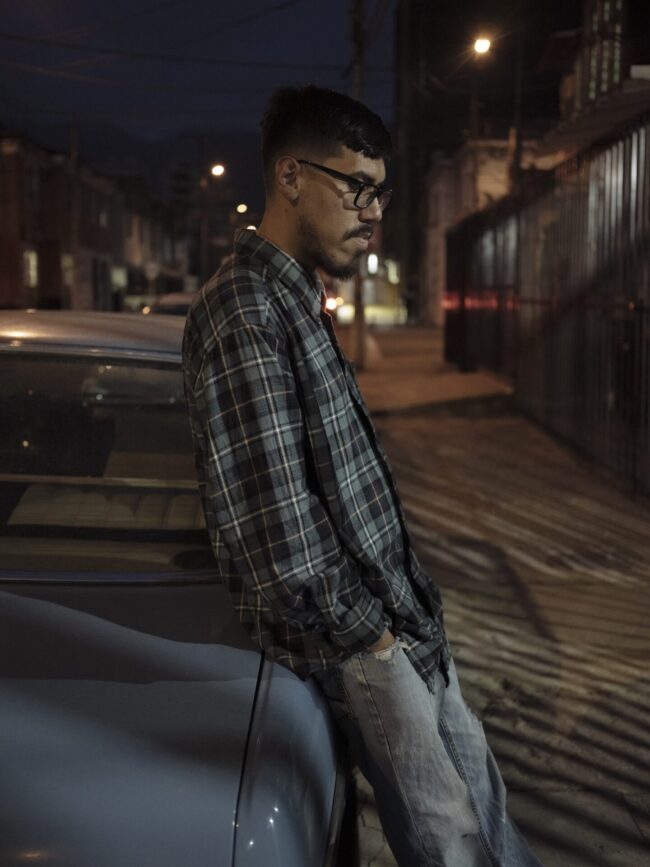

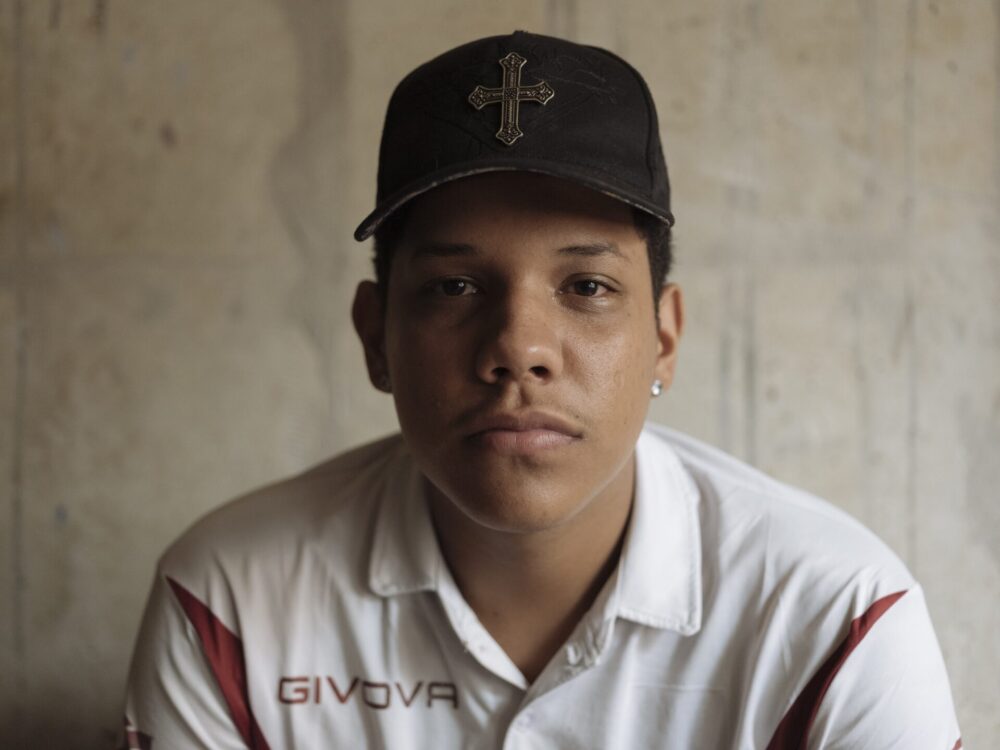
Colombia, Cúcuta, 2025. Jorge Bernott Tengo, 19, was living in Valencia, Venezuela, and fled to Cúcuta, Colombia, in 2019. He is a musician. He currently works in a restaurant kitchen and gives music classes in his neighborhood in his free time. He said: “When my generation thinks about the future, they focus on getting through each day — on what they can do daily. With the current situation, people’s dreams are fading away. To achieve your dreams, you have to leave Venezuela. It’s like a wall that prevents you from moving forward. If you want to make your dreams come true, you can do it abroad — but you can’t make them a reality in Venezuela.” © Emin Özmen

Venezuelan Youth in Exile

Emin Özmen

2025 — Columbia, Venezuela

About this series

In November 2025, Emin Özmen travelled to Colombia to meet young Venezuelans who had been forced to flee their country – a project commissioned by the Nobel Peace Center after Venezuelan opposition leader Maria Corina Machado became the latest prize laureate. At the beginning of 2026, Trump ousted Maduro in a controversial military operation, to which Machado responded by awarding the American president the Nobel Peace Prize medal.
Through photos and video interviews, Özmen portrays a lost generation. “These young people don’t see a future for themselves in Venezuela. They have given up hope for their country, but they haven’t given up hope for themselves. That is why they leave,” Özmen says.
Violence, gang warfare, crime rates and shortages of food, medicine and essential services in Venezuela forced millions to flee. Since 2014, more than 8 million people – a quarter of the population – had left the country at the time of the report.
Emin Özmen’s work on Generation Z is part of the 2026 edition of Magnum Chronicles , dedicated to youth. Inspired by Magnum’s first collective storytelling project, Generation X (1951), led by Robert Capa, this edition revisits the post-war generation while Magnum photographers today undertake a parallel exploration of Generation Z.
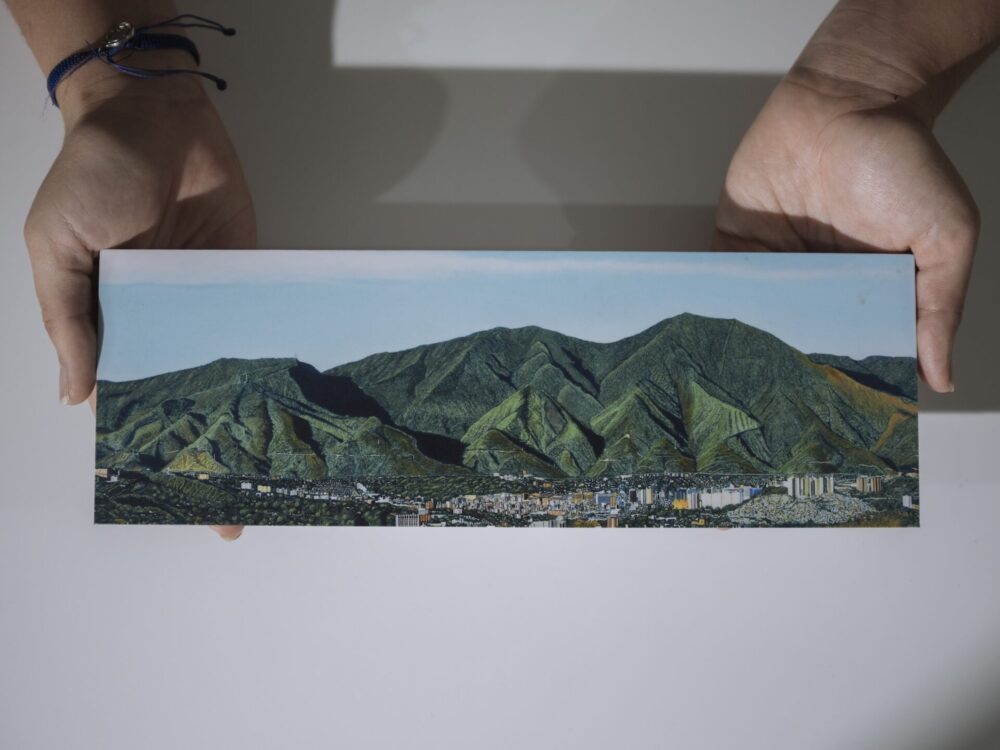
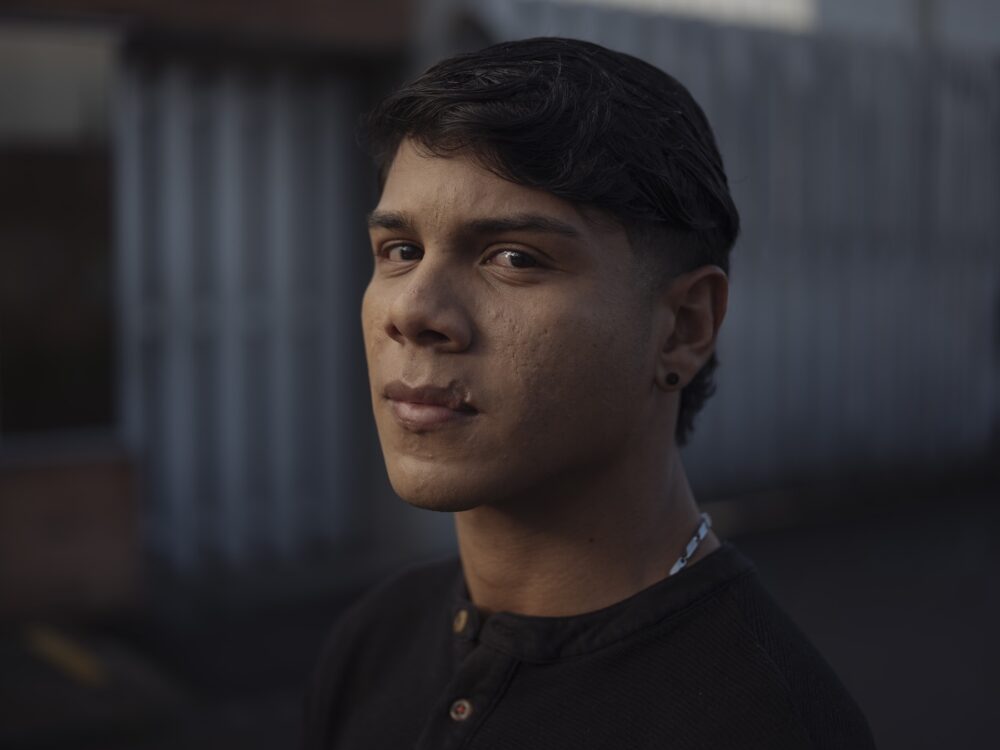
Colombia, Zipaquirá, 2025. Sofía Fuenmuyor, 24, shows a photograph she took of herself as she was leaving Venezuela. A sociologist and activist, she fled Venezuela and took shelter in Zipaquirá, Colombia, in 2024. “I was a leader of student groups. We took part in the demonstrations. I knew it was risky, but I couldn’t stand injustice — that’s why I became involved in politics. Three of my close friends were kidnapped during the protests; one is still in jail. I thought I was going to be next.” © Emin Özmen
Colombia, Bogotá, 2025. Josue Duran, 26, is a political activist. He fled Venezuela in 2019 and came to Colombia to “look for a future.” He said: “I want to live in a country where freedom of speech is respected — where people are free to choose who will govern them. Today, if you say anything against the government, it can cost you your life.” © Emin Özmen
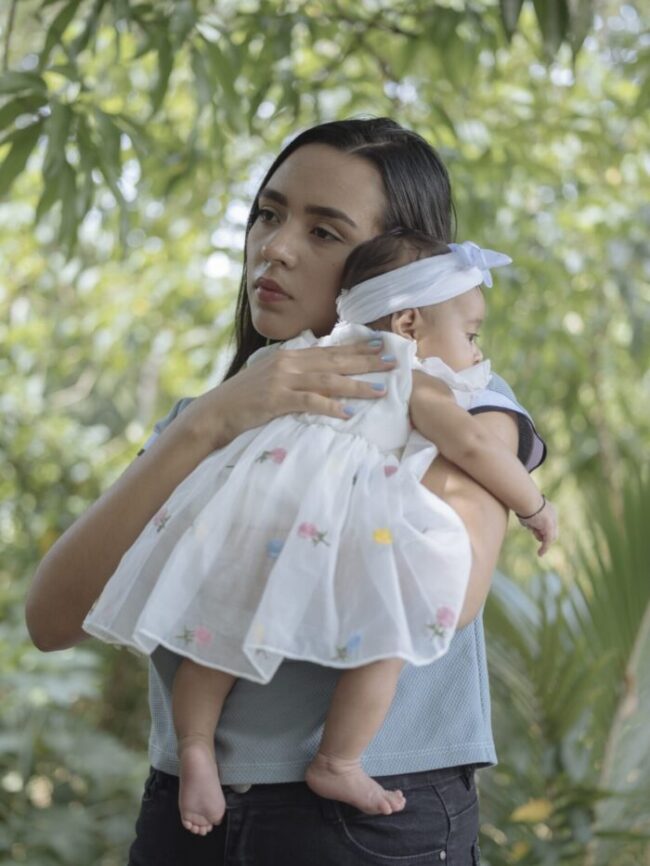
Colombia, Cucuta, 2025. Marcela Guedez, 21,with her daughter Aisha, 3. “Six years ago, in 2019, my father left the country first. Then the rest of my family followed, as the economic situation kept getting worse. That’s why we left Venezuela: to be together. After we arrived in Colombia, my aunt came, and then my grandparents as well. At the beginning, we thought it would be just for a year, maybe two. That felt manageable. But now I have the information that I will never go back to Venezuela. Maybe it was easier for us to think of it as a kind of vacation. We first tried Bogotá, but it was difficult. It was very expensive, and we couldn’t find any work. We didn’t have enough money to live there, so that’s why we went back to the border, to Cúcuta, because it’s cheaper here and we can live better.” When I ask about her generation, she adds: “In my generation, people believe that Chavismo will never go away. So they don’t care anymore. Everyone says Maduro is going to be here forever. So they think, okay, if he’s going to be here forever, I’ll just live my life somewhere else. And I understand my people. It’s very hard to live there.” © Emin Özmen
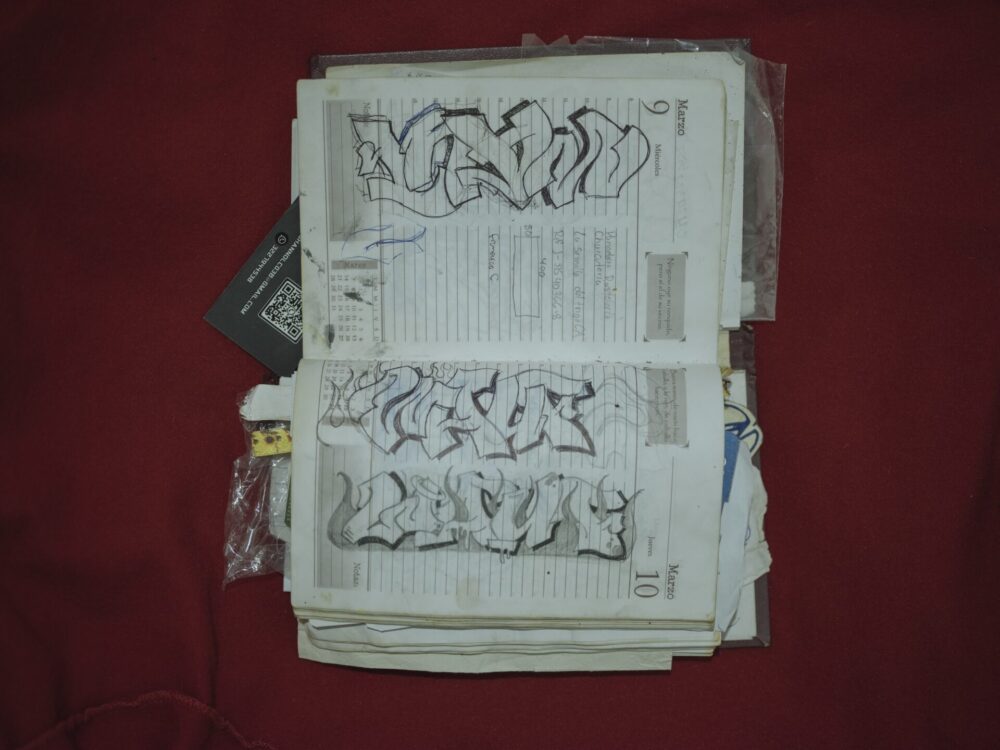
Colombia, Bogota, 2025. Francisco Colmonares shows his diary. He is 28, left Venezuela in 2024 and now lives in Bogota, Colombia. He is a graphic designer and visual artist, currently working in a print center in Bogota. © Emin Özmen
Colombia, Bogotá, 2025. Francisco Colmonares, 28, left Venezuela in 2024 and now lives in Bogotá, Colombia. He is a graphic designer and visual artist, currently working at a print center in Bogotá. “I had no plans to come to Colombia, but things became really tense in Venezuela. Everyone started saying, ‘You’re a snitch, you’re an informant.’ I feel like my generation, after many years of political pressure and daily hardships, has become used to living like this and has simply learned to accept it. My parents used to say that when they lived in Venezuela before, you could work and live well. You could do whatever you wanted. But today it is different: the government tries to manipulate and condition people’s minds, as if it wants everything under control. Venezuela is stuck in time. While things are happening all around the world—with technology, medicine, and constant progress—Venezuela remains frozen.” © Emin Özmen
Colombia, Zipaquirá, 2025. Angélica Angel shows her necklace shaped like the Venezuelan flag when I ask her about her most cherished possession. She is 24 years old, fled Venezuela, and has been living in Bogotá since 2024. She currently works with an NGO supporting the Venezuelan community in Colombia. “Everyone was running, but I stayed there. Then the police came and put a gun to my head, like this. After that, everyone started talking about it. ‘Oh, the girl who stood in front of the police… the girl who didn’t move.’ I was 15 years old, and after that moment—the gun incident—I became an activist. A real activist.” © Emin Özmen
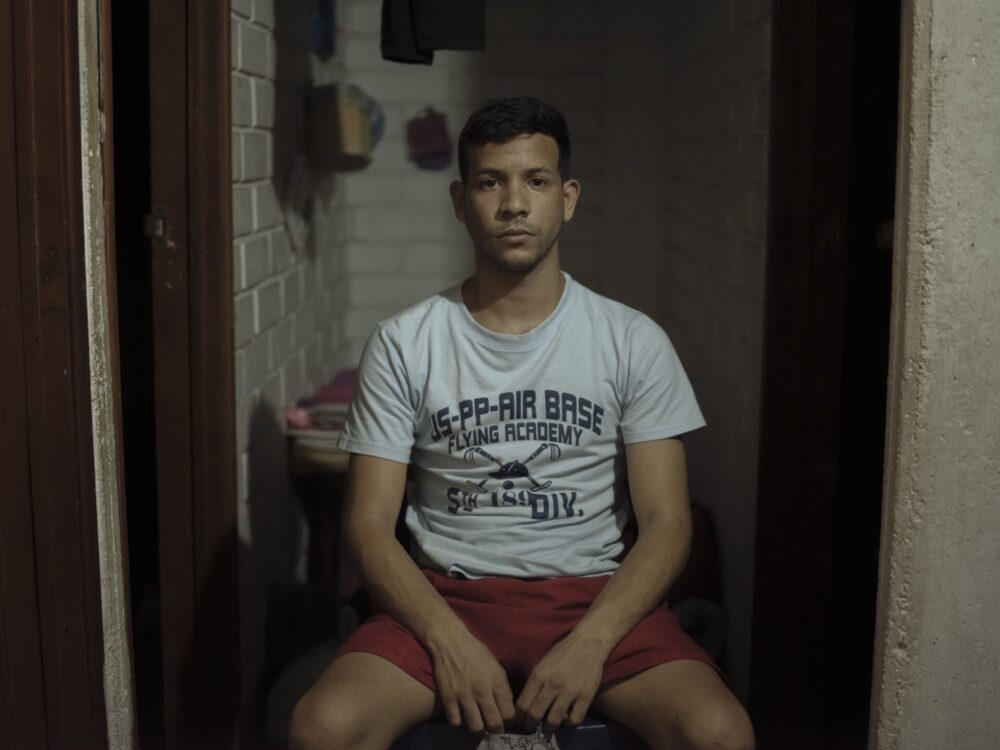
Colombia, Cúcuta, 2025. Wilder Centeno, 18, was a police officer in Valle de la Pascua, Venezuela. He left the country last week and sought refuge in Cúcuta, Colombia. He says: “It was because of the economic situation there. It’s really hard—you can’t do anything with the money you earn each month. I was a police officer; I joined the police force a year ago, when I was 17. My salary was 50 USD. I had to survive. Everything was difficult because everything was so expensive, and with that salary, I couldn’t manage. Sometimes we were starving because there was no food. There, we don’t have electricity, we don’t have water.” © Emin Özmen
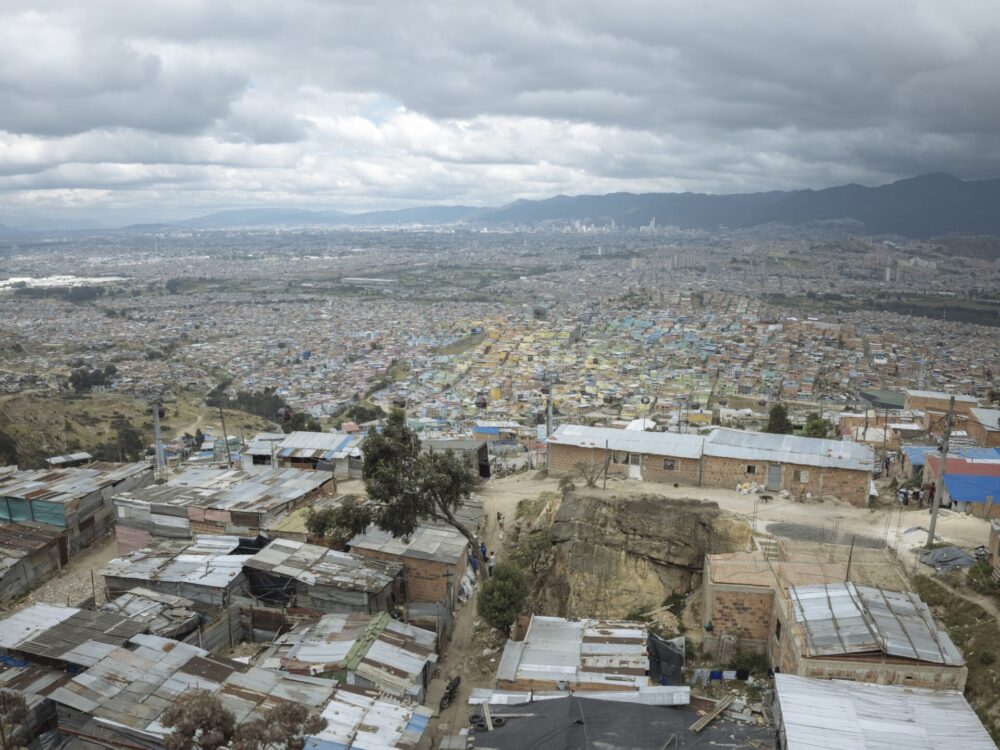
Colombia, Bogotá, 2025. General view of the city from the Ciudad Bolívar neighbourhood, one of the world’s largest megaslums. © Emin Özmen
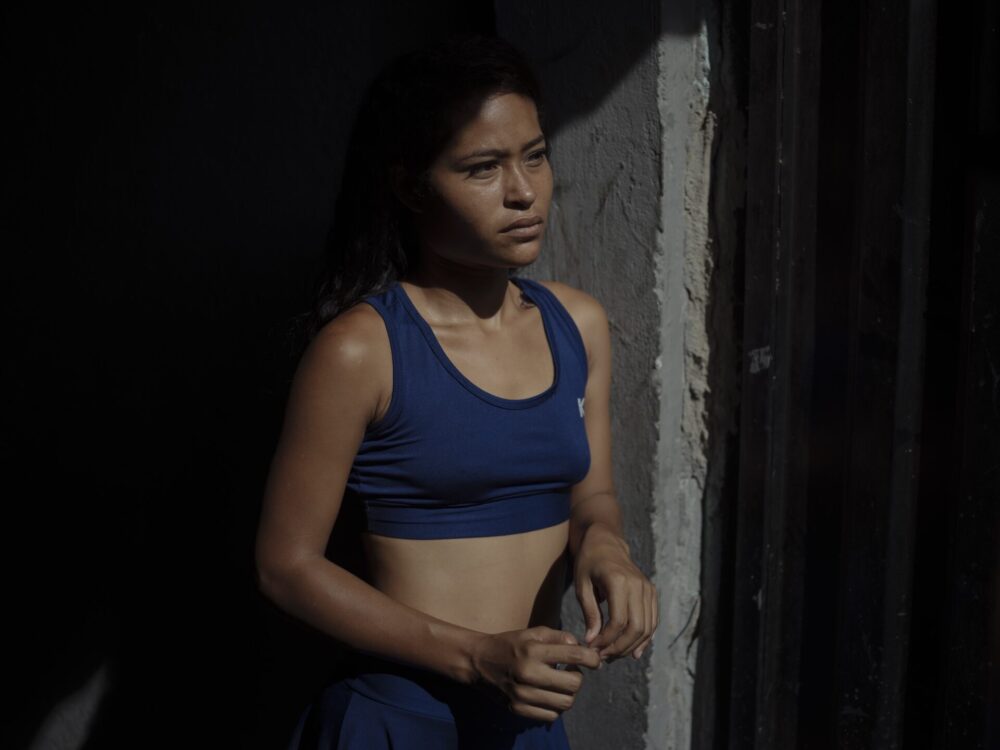
Colombia, Cúcuta, 2025. Pebbles Maita Millan, 24, was living on Margarita Island, Venezuela, and fled to Colombia in 2025. “There were no jobs. I have two daughters, and I need to provide for them. So I came here with my daughters. It’s not easy here either, but it’s better.” © Emin Özmen
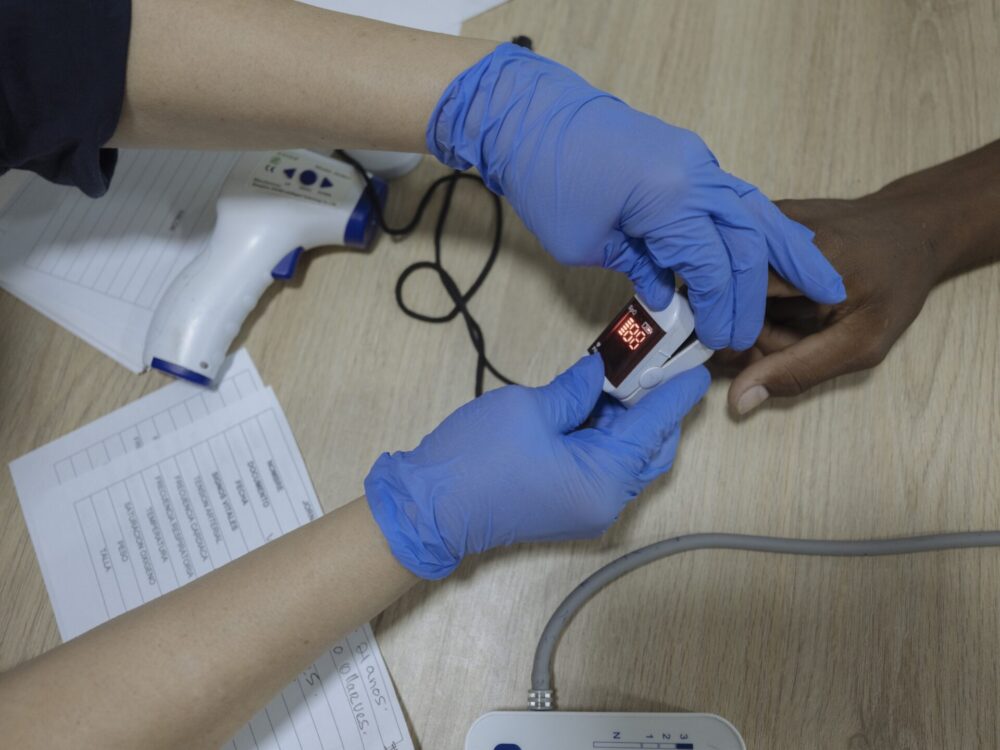
Colombia, Cúcuta, 2025. José, 17, walked for three days while fleeing from Portuguesa. He is seen here during a health check at an NGO facility upon his arrival in La Parada, Cúcuta. Recognized as one of the largest displacement crises in the world—and the largest forced displacement crisis ever in Latin America—Colombia hosts the region’s largest population of Venezuelan refugees and migrants. Nearly 3 million people have sought safety within its borders, according to Human Rights Watch. © Emin Özmen
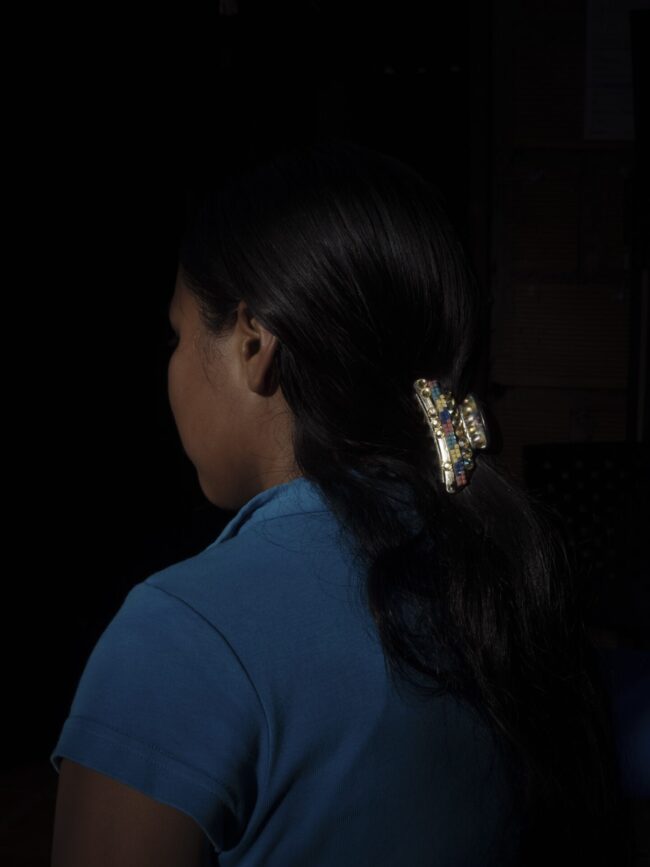
Colombia, Cúcuta, 2025. Micaela, 15, Indigenous Wayuu, from northwestern Venezuela. “We left Paraguaipoa (northwest Venezuela) in 2020 with my seven brothers and sisters and my father and mother. We walked for three days to cross the border into Colombia. Then we arrived in La Gabarra, and straight to the border city of Cúcuta. It took seven days. At the time, I was 11 years old. My mother was pregnant with my sister. It was terrible—but even like this, it was better to be here than in Venezuela.” © Emin Özmen

Photographer: Emin Özmen
Nationality: Turkish
Based in: Istanbul, Turkey
Website:  www.magnumphotos.com/emin-ozmen
Instagram: @emin_ozmen

Born in 1985, Emin Özmen is concerned with documenting human rights violations in his home country of Turkey and around the world. He aims to bring attention to the suffering of those who are victims of civil unrest and social injustice.
Özmen studied photography in the Fine Arts Faculty at Marmara University of Istanbul. In 2008, he obtained a degree in documentary photography at the University of Art and Design in Linz, Austria.
In 2011, he worked on famine in East Africa, the disaster of the earthquake-tsunami in Japan, and economic protests in Greece. The following year, he started covering the Syrian civil war and IS crisis in Iraq, which he continues to document. Since then, he has worked in South Sudan, Niger, Nigeria, Venezuela, Azerbaijan, Iraq and Turkey, among other countries.
Özmen’s work has been published by Time magazine, New York Times, Washington Post, Der Spiegel, Le Monde magazine, Paris-Match and Newsweek, among others.
He has won several honors, including two World Press Photo Awards and the Public Jury Photo Prize of the Bayeux-Calvados Awards for war correspondents. He was a member of the jury for the 2016 and 2018 World Press Photo Multimedia Contests.
Özmen became a Magnum Photos nominee in 2017 and a full member in 2022. He currently lives in Istanbul.