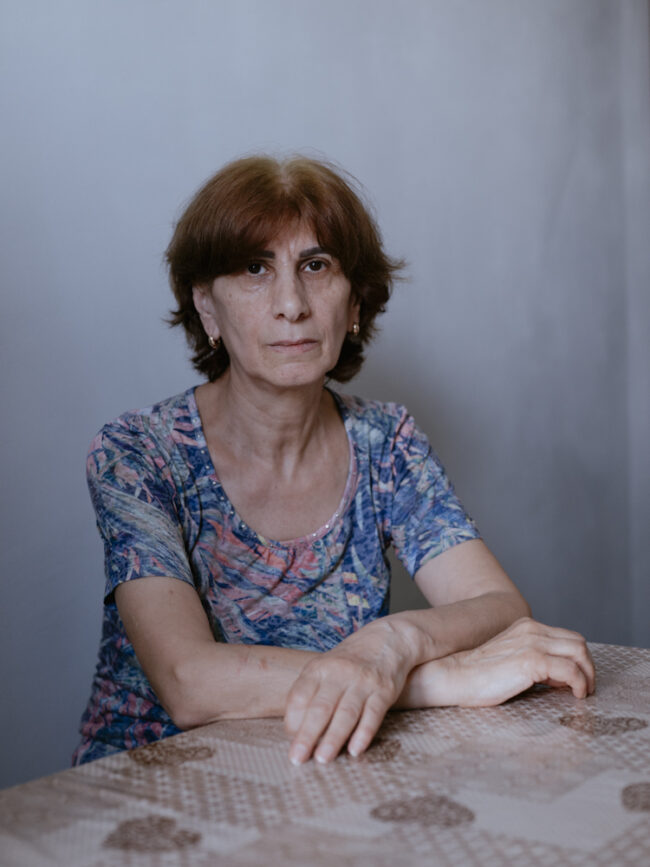

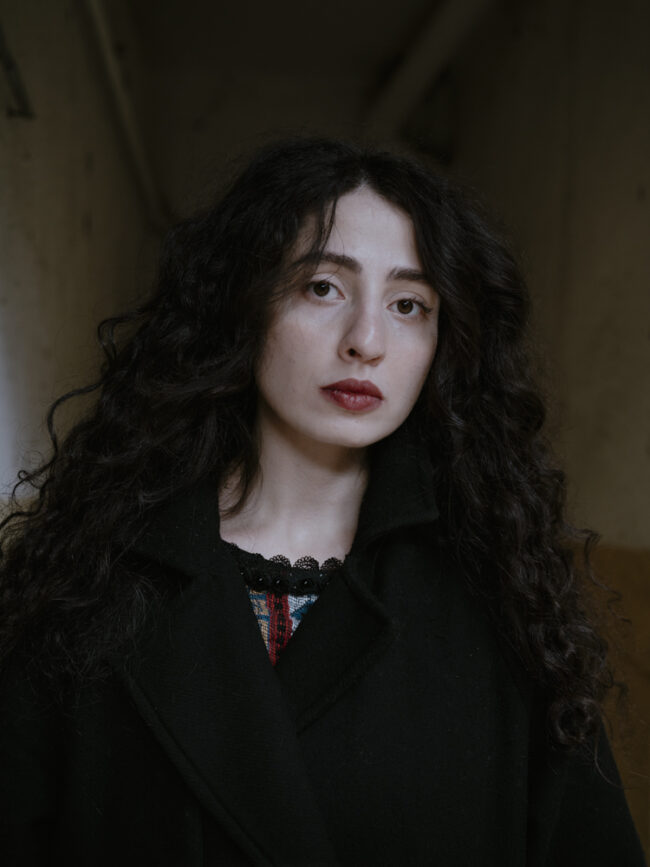
Armenia, Yerevan: Margarita, 28 years old, in Yerevan. Commenting on the current situation in her country, she says: ‘You can't live in peace, you don't feel safe and you constantly expect something bad to happen’. © Jana Islinger

It’s my wound because it’s pain for me

Jana Islinger

2023 – 2025 — Armenia

About this series

When surrounded by existential threats, survival becomes the only clear priority, and healing, planning recedes into the background. What remains is a singular, urgent instinct: to protect your home, your land, your people.
The calendar now feels heavy. Each year is marked not just by seasons, but by memories — military assaults, war, displacement. Some days, especially September, feel like a psychological minefield. Memory doesn’t rest here. It pulls you back, forces you to relive what was never truly left behind.
You learn to live with tension, but never in peace. The atmosphere stifles economic confidence, drives migration, and erodes any hope for normalcy. Peaceful life feels stolen from the South Caucasus, and peaceful coexistence seems like a distant dream. Yet, hope persists; it has not been outlawed.
Into this fractured landscape steps German photographer Jana Islinger, with quiet attention. After multiple visits to Armenia — listening, traveling, engaging — her work attempts to make visible what much of the world has overlooked. Her project, ‘It’s my wound because it’s pain for me’, offers a photographic portrait of a society shaped by trauma, shadowed by war, and held together by a complex blend of fear and resilience. Her images capture a sense of loss, pain, the weight of geopolitics, and the lives of ordinary people navigating a complex and often harsh reality. Armenia becomes visible not only as a site of conflict but as a place where longing and grief coexist —where the desire for peace survives, even when peace feels far away. – Arshaluys Barseghyan
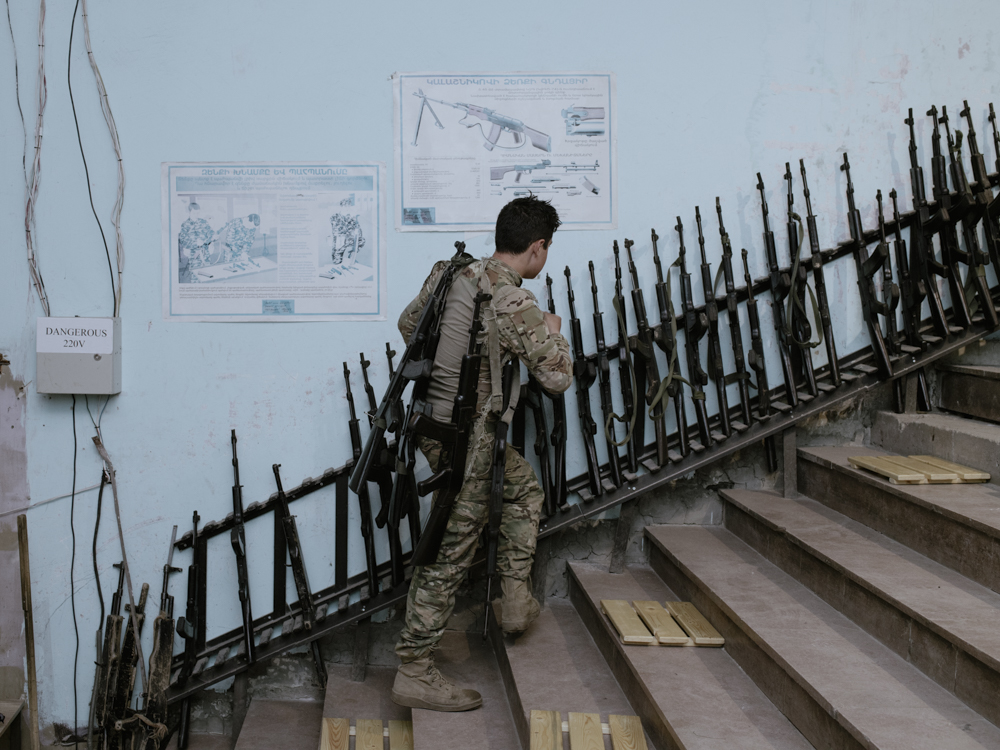
Armenia, Yerevan: A young man sorts training weapons belonging to the paramilitary organization Voma. They prepare civilians for possible conflict situations and reflect the widespread fear of a new war. © Jana Islinger
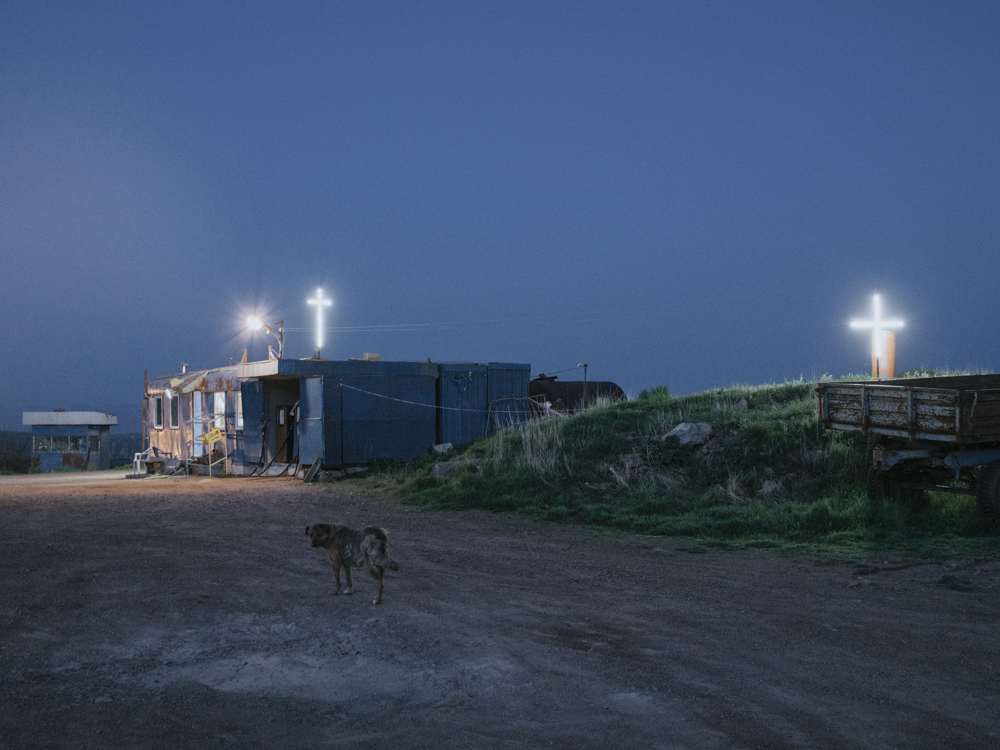
Armenia, Goris: On a main road in the Syunik region, LED crosses glow in the evening twilight. They symbolize Christian faith, hope and national resilience. © Jana Islinger
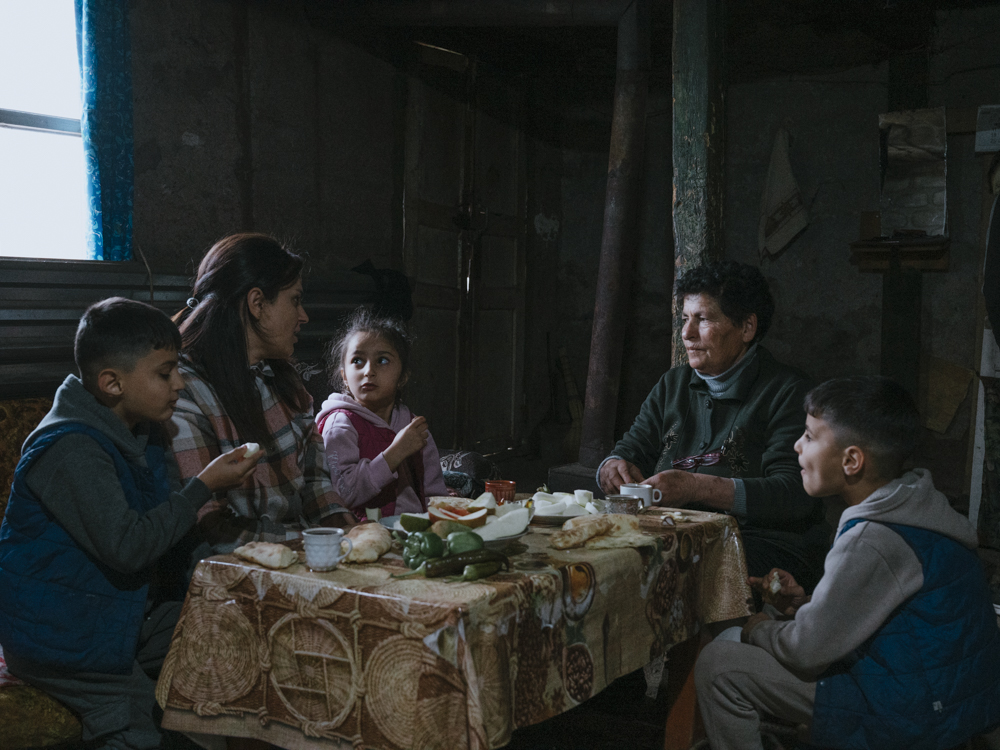
Armenia, Tegh: Arevik sits at dinner with her children and the woman they currently live with. In 2020, during the war for Nagorno-Karabakh, she fled to Armenia with her husband and three children from the town of Shushi. They then returned to their home country in the town of Stepanakert. After Azerbaijan took control of Nagorno-Karabakh in 2023, they had to flee to Armenia again and now live with a woman in a village near the Azerbaijani border. © Jana Islinger
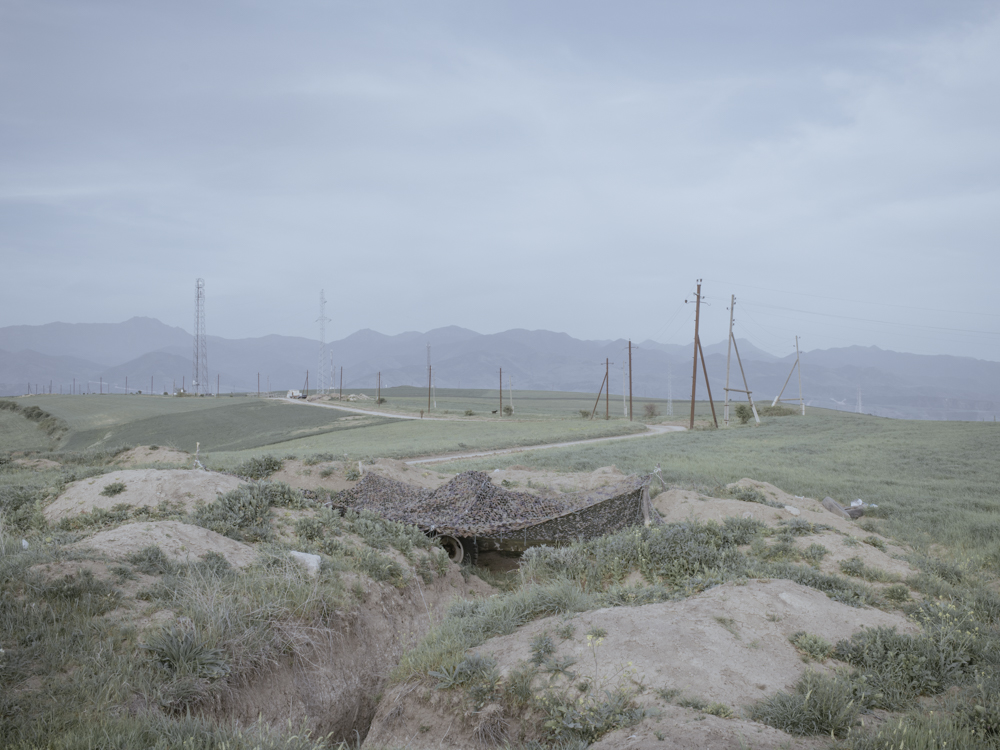
Armenia, Kornidzor: An anti-tank gun near the Azerbaijani border, a symbol of the ongoing military tensions along the border between Armenia and Azerbaijan. © Jana Islinger
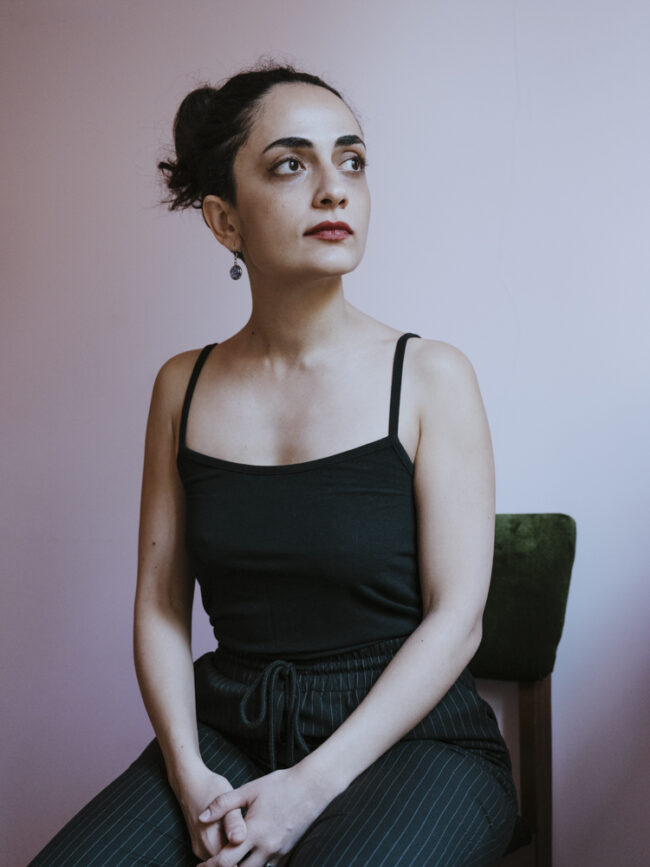
Armenia, Yerevan: Maria in her flat in Yerevan. Born and raised in Armenia, she moved to Moscow with her parents as a teenager. Upon reaching adulthood, she returned to Armenia on her own. Now, she works as a singer in Yerevan. Reflecting on her feelings about the tense situation with Azerbaijan, she says ‘I feel safe and unsafe at the same time. Somehow I have forgotten the feeling of fear. I have locked it away to escape it’. © Jana Islinger
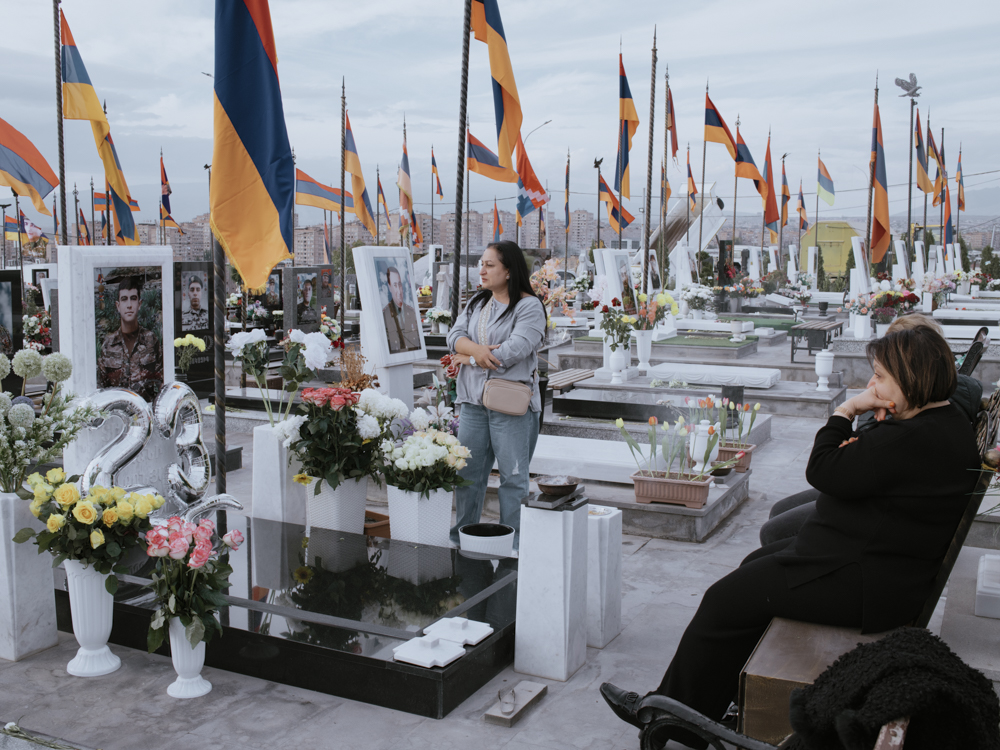
Armenia, Yerevan: At the Yerablur military cemetery, family members mourn the loss of Tigran, who would have turned 23 on this day and was killed in the war over Nagorno-Karabakh in 2020. © Jana Islinger
Armenia, Ararat: Susanna, 60, in her apartment. She was born and raised as an Armenian in Baku, Azerbaijan, and fled to Armenia amid ethnic violence in the late 1980s, before the collapse of the Soviet Union. She now lives in a town near Yerevan, together with other former residents of Baku. © Jana Islinger
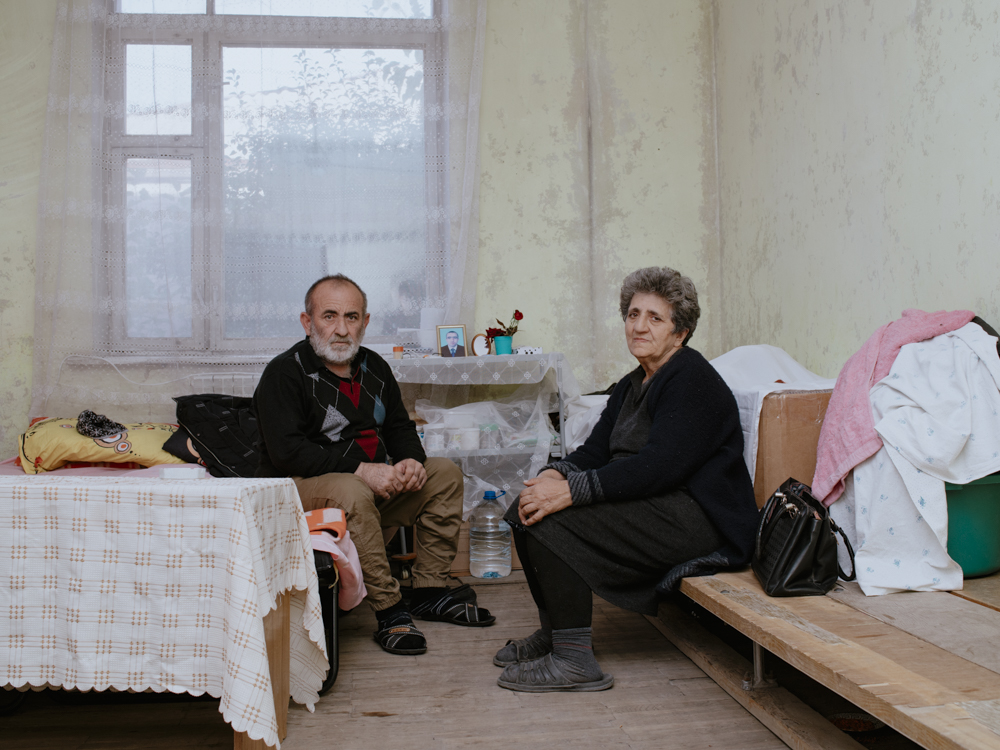
Armenia, Masis: Anja and Arzum fled to Armenia in 2023 after Azerbaijan took control of the Nagorno-Karabakh region, resulting in a massive exodus of ethnic Armenians. They found refuge in a former kindergarten in Masis. © Jana Islinger
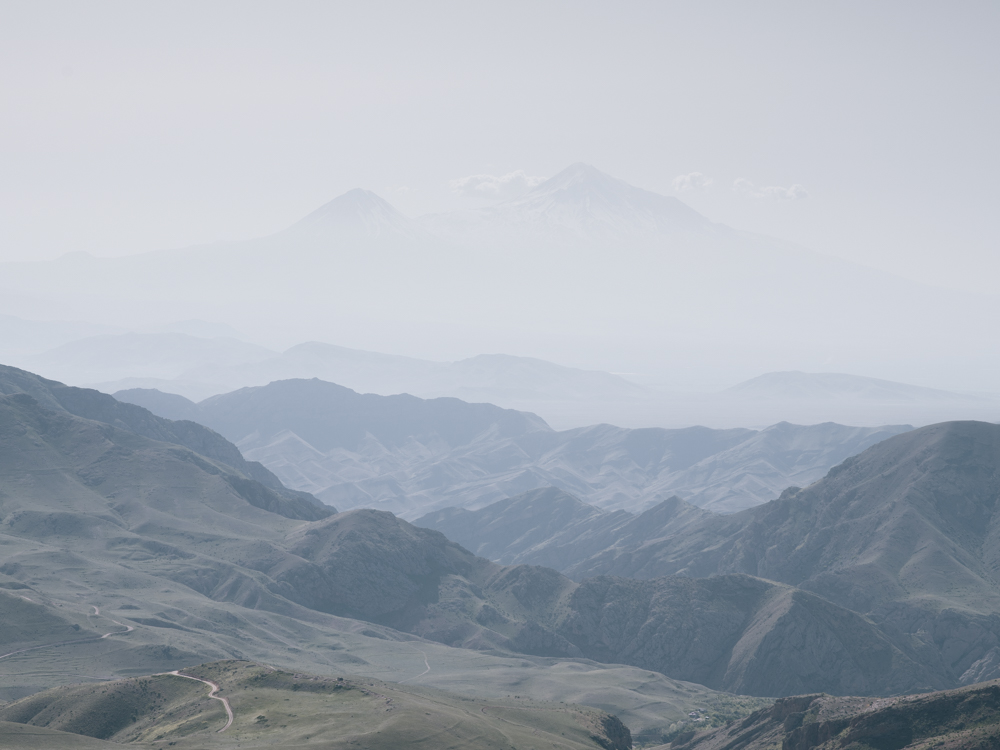
Armenia, Khachik: The Armenian-Azerbaijani border with Mount Ararat in the background, which is located in Turkey. The region is geopolitically sensitive, as Armenia, the Azerbaijani exclave of Nakhchivan and Turkey converge here. © Jana Islinger
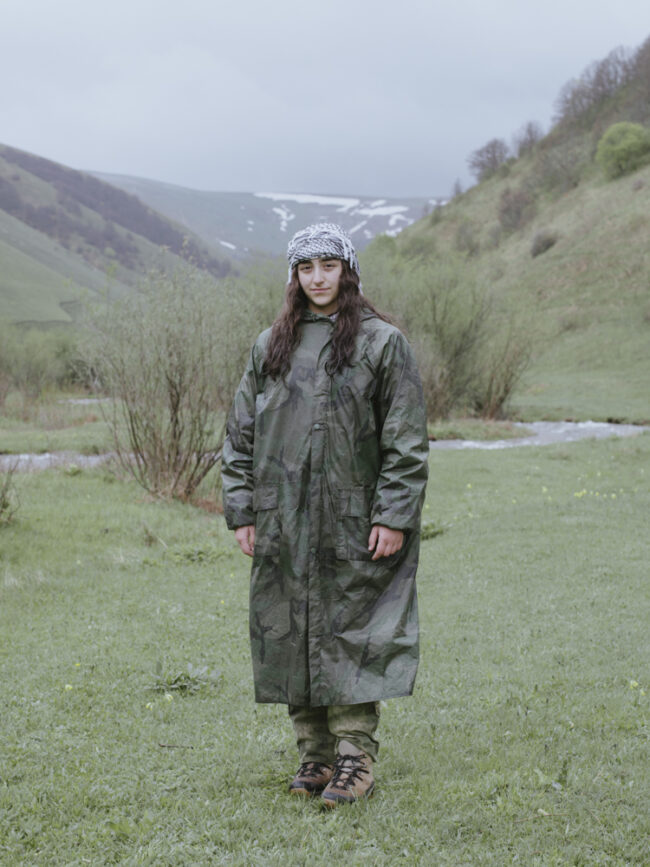
Armenia, Hankavan: Maga, 16, during a training session in the mountains with the paramilitary organization Voma, which prepares civilians for the defence of Armenia. She explains why the training is so important to her: ‘When you start to be afraid, you panic and lose control of your own life - just like in war. Here we can overcome such emotions and learn self-defence’. © Jana Islinger

Photographer: Jana Islinger
Nationality: German
Based in: Munich, Germany
Website: janaislinger.com
Instagram: @janaislinger

Jana Islinger (*1999) is a documentary photographer based in Munich, Germany. She studied photography at Munich University of Applied Sciences and at the Ostkreuzschule in Berlin and is represented by the laif agency.
Taking a journalistic approach, she develops long-term projects examining social and geopolitical issues, focusing on identity, belonging, and power structures and their impact on individuals’ lives.
Her working method is based on intensive research, continuous observation, and proximity to people and topics. She is particularly interested in the multi-layered representation of social dynamics and individual perspectives within larger structures.
Islinger has received the Nikon Fotobus Grant and exhibited her work at the Les Rencontres d’Arles photography festival, among others.