

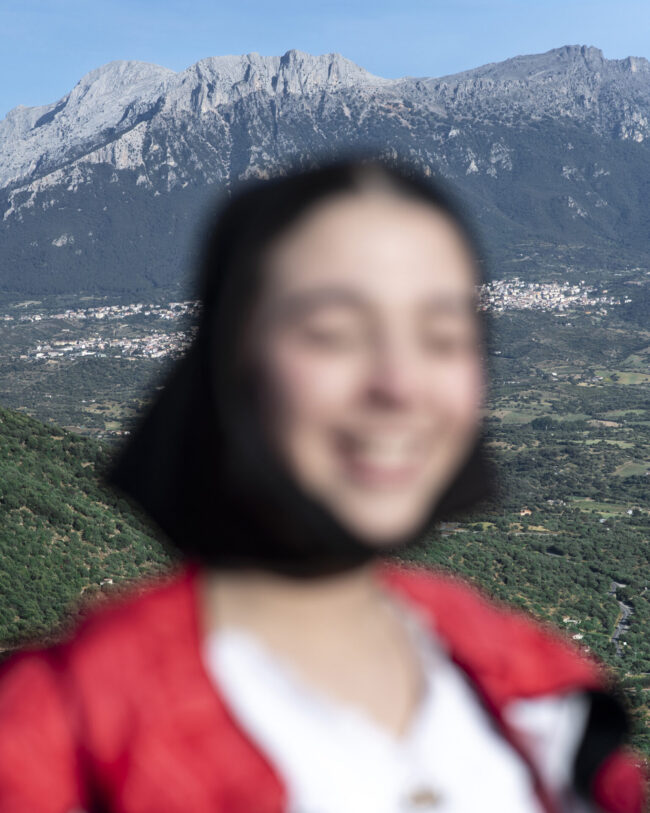
Brigantinas
Nicola Lo Calzo
2024 — Sardinia, Italy
About this series
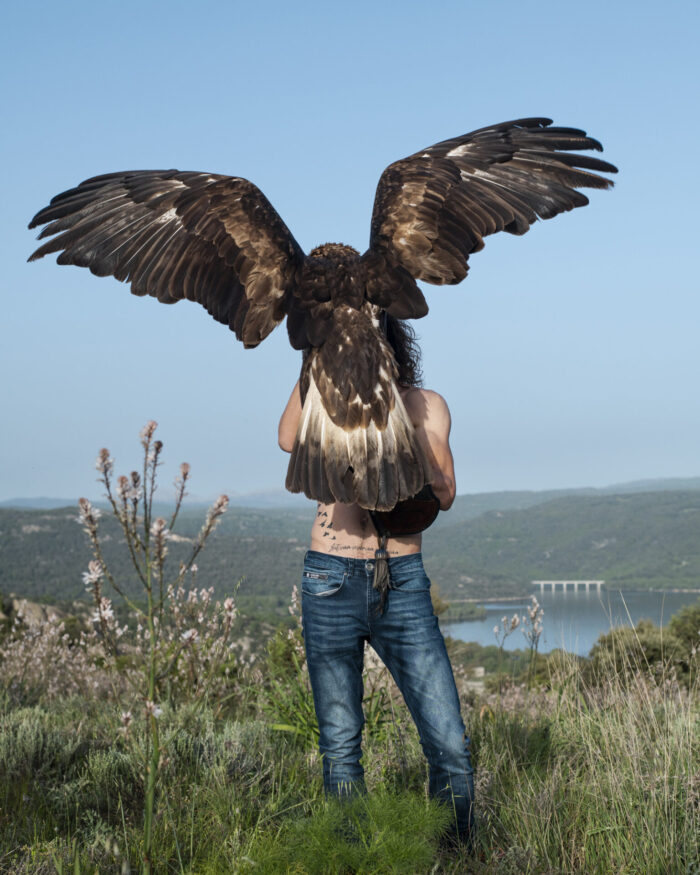
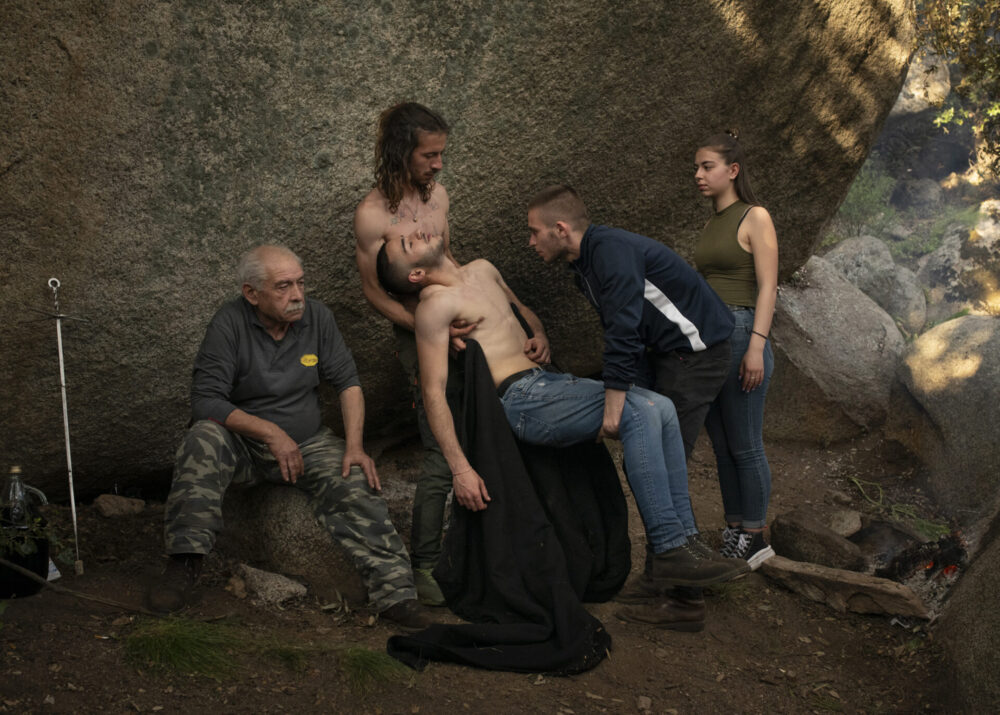
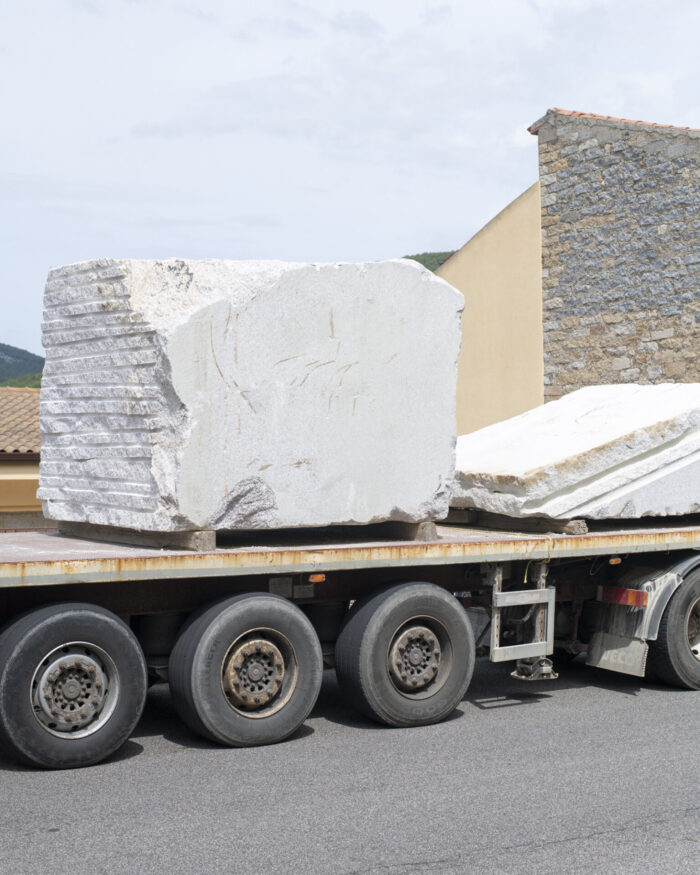
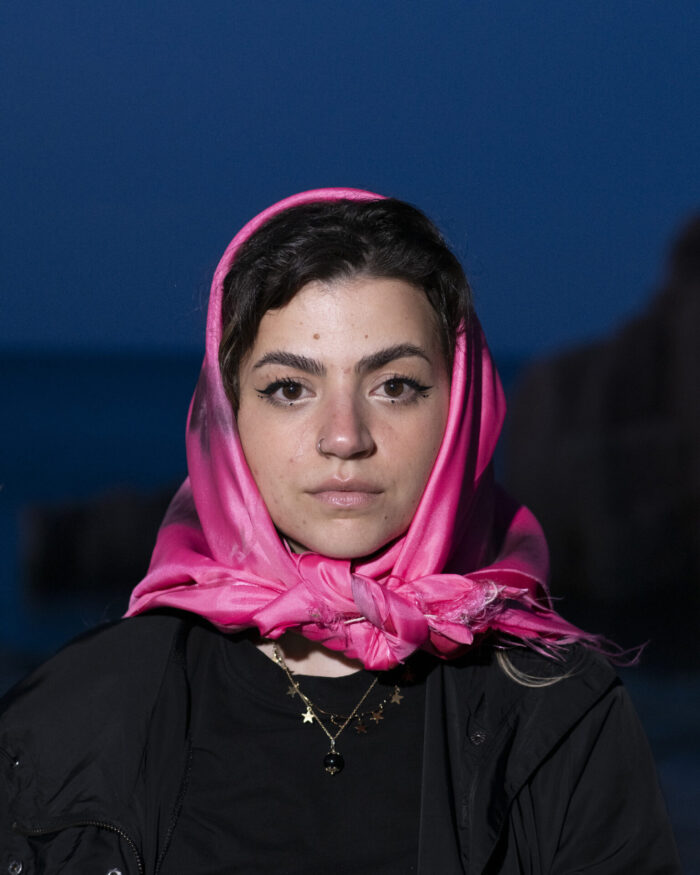
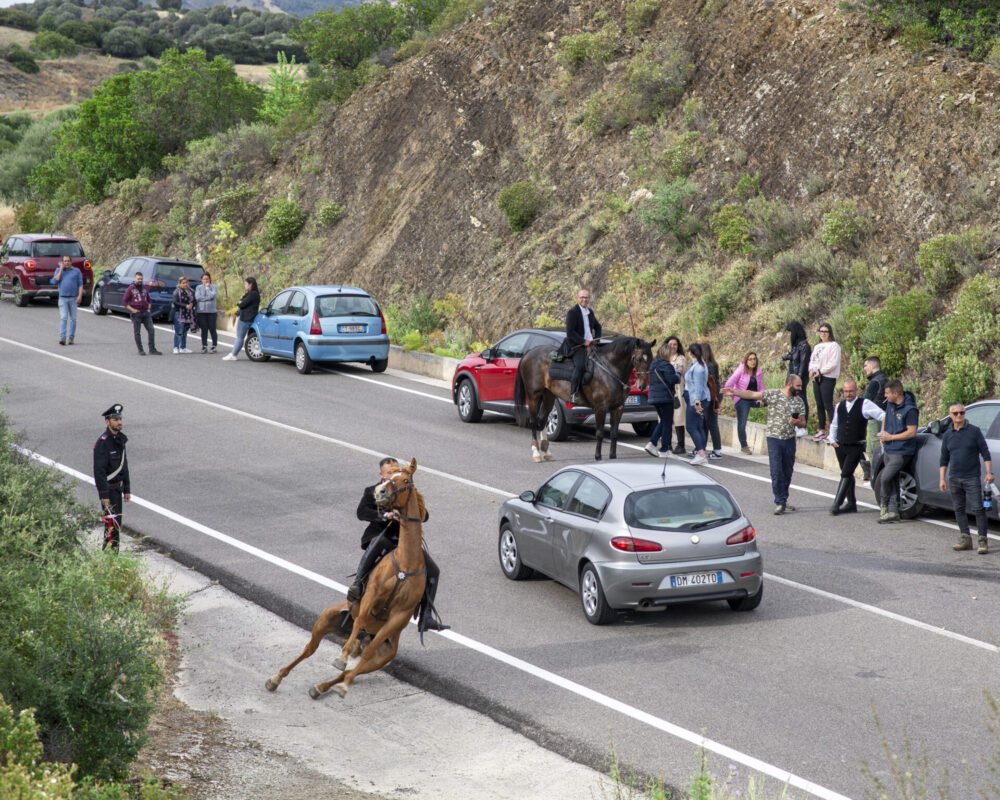
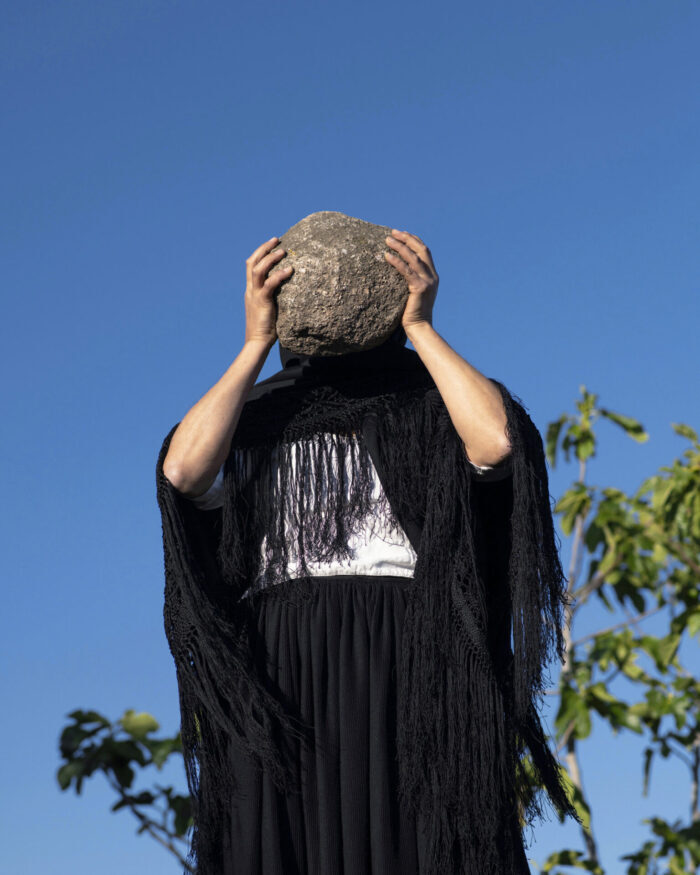
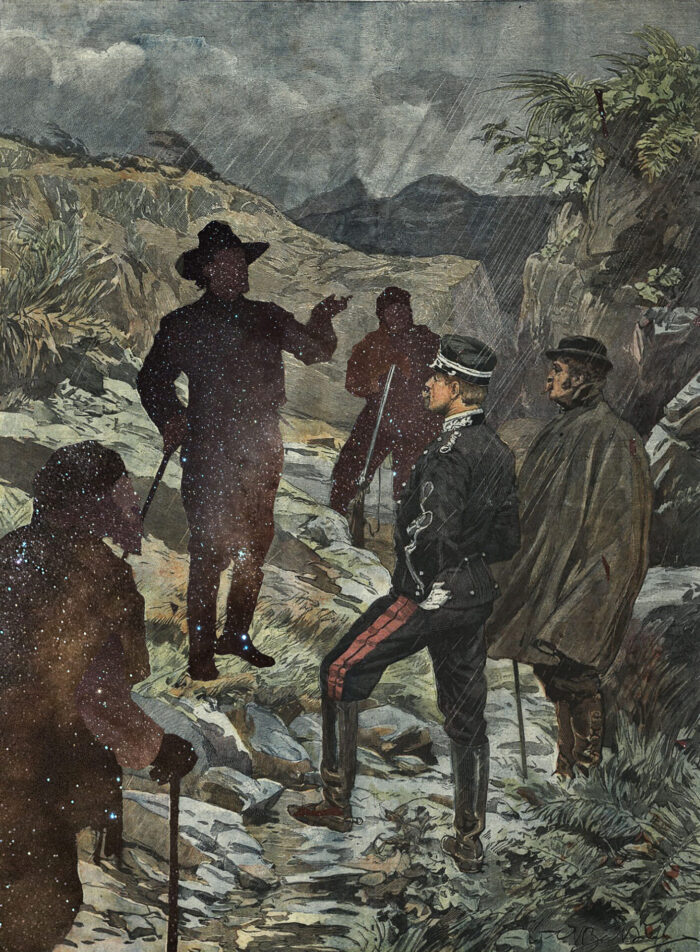
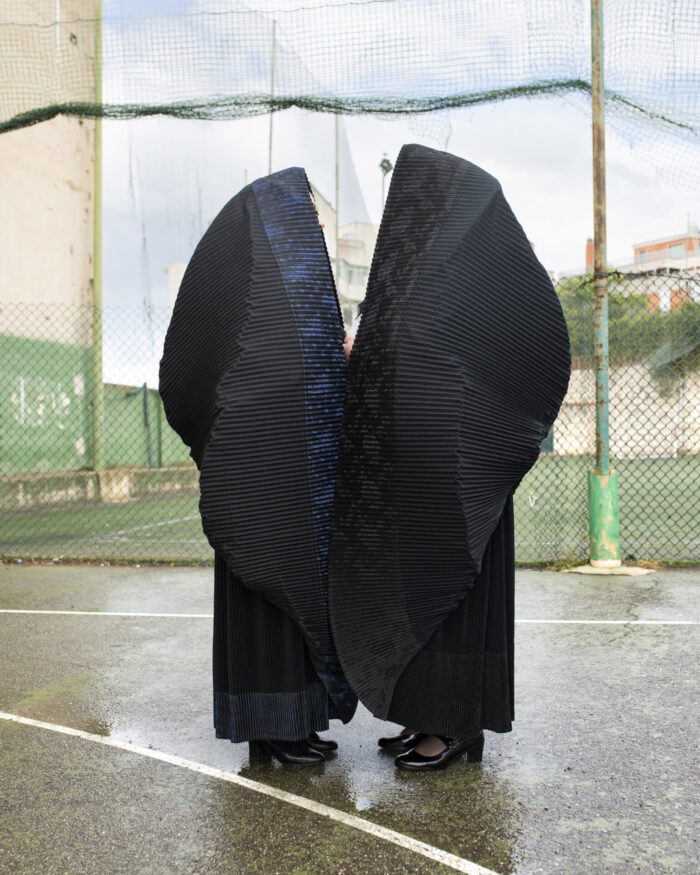
Brigantinas by Nicola Lo Calzo weaves together historical memory, political struggle, and visual representation to reflect on the forms of coloniality in Sardinia and the forms of dissidence developed by its communities, notably the role played by Sardinian women in shaping local and collective memory.
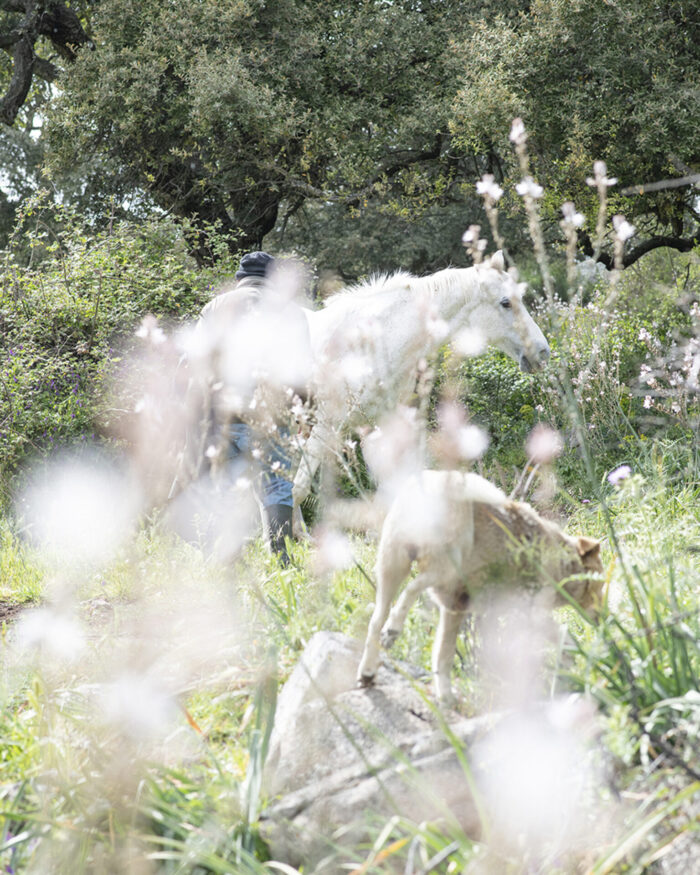
The work embarks on a visual and conceptual journey through the island, exploring the deep and complex relationship between Sardinian identity and the land — not only as physical territory, but also as a symbolic space of conflict, belonging, subjectivation, and utopia.
The project, curated by Sardinian curators Elisa Medde and Giangavino Pazzola, unfolds across a genealogy of struggles and resistances, from 19th-century peasant revolts to contemporary protests against extractivism, militarization, and neoliberal policies.
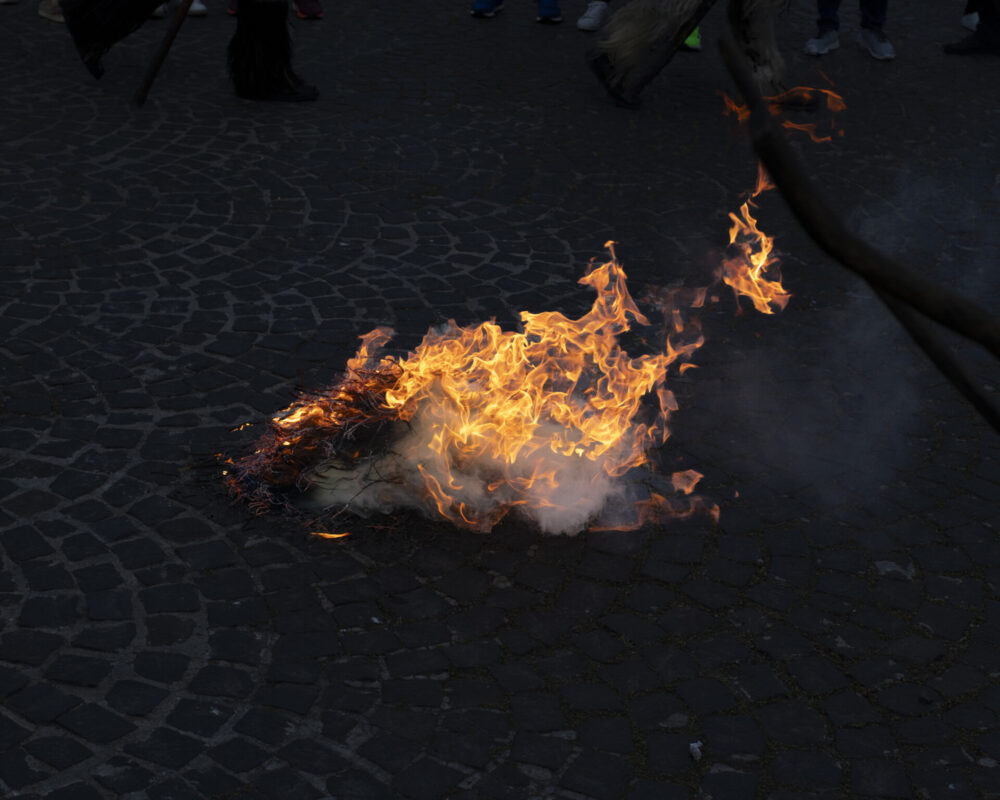
Brigantinas highlights other ways in which Sardinian people express their relationship to the land, such as major religious and secular festivals. In this sense, the project interrogates the ambiguous role of “tradition,” which oscillates between identity-building and normalization, and examines how it is mobilized within contemporary dynamics of cultural representation, commodification, and tourism.
Photography becomes both a critical and poetic tool to question mechanisms of representation and the visual apparatuses of power that have historically contributed to the construction of Sardinian otherness within the national narrative. Lo Calzo sets the anthropometric gaze of 19th-century police archives against the defiant, living gaze of contemporary Sardinians, addressing a visual stratigraphy of Sardinian dissidence. It is a call to build a shared and critical archive of forgotten memories — an act of resistance against erasure.
Photographer: Nicola Lo Calzo
Nationality: Italian
Based in: Italy
Website: www.nicolalocalzo.com
Instagram: @nicolalocalzo
Nicola Lo Calzo (Turin, 1979) is an Italian photographer, curator, and researcher whose work focuses on themes of memory, identity, and marginality in a postcolonial context. His long-term documentary projects often explore how communities preserve or reclaim cultural memory in the face of marginalization and historical erasure. Since 2010, he has been working on the Cham/Kam project, a multi-year photographic series exploring the legacy of slavery and resistance across the Atlantic world, from West Africa to the Caribbean and the Americas. Lo Calzo’s work is deeply rooted in field-based and participatory research, and he frequently collaborates with local communities, historians, and institutions. His projects have been exhibited internationally and published in major outlets such as The New York Times, The Guardian, The New Yorker, Le Monde, Libération, Internazionale, and National Geographic. In addition to his photography, he is active in academia and curatorial practice, often intersecting visual storytelling with scholarship on colonial history, memory politics, and queer and decolonial thought.